Respirators for Dental Health Care Providers
Department of Prosthodontics, Thai Moogambigai Dental College & Hospital, Mogappair, Chennai
ABSTRACT
On 11 March 2020, the World Health Organization declared COVID 19 a pandemic infection that has spread rapidly across the globe. There has been no substantial evidence of any specific treatment or a vaccine against SARS CoV-2. The virus spread is predominantly via respiratory transmission through aerosol and droplets. It has therefore, severely impacted dental practice as it involves constant generation of aerosol and droplets. The reinforcement of a proper respiratory protection program during current times cannot be emphasised enough. Respirators and face masks play a crucial role in limiting the spread of the virus. This article is a gist of the types of respirators, their applications and their appropriate use and comprehends the sequelae of the Respiratory protection program.
Introduction
Since its outbreak in December 2019 the corona virus disease (COVID-19) has affected several countries, infecting thousands of people and has evolved into a pandemic. The routes of transmission are direct contact, and droplet and possible aerosol transmissions. It has had a significant negative impact on dental practice as most dental procedures generate droplets and aerosols, with potential risk of infection transmission.CDC and HICPAC state that transmission of an infectious disease involves three elements: a source of infection, a susceptible host, and a mode of transmission. Infection control and preventive measures reduce the spread of disease between patients, healthcare personnel, and visitors. Infection control measures include vaccination of employees; practicing hand hygiene; sterilization and disinfection of surgical instruments, patient-care devices, uniforms, and PPE and cleaning, disinfection of the operatory and clinical setup.
When a patient is known or suspected to be infected and Standard Precautions are insufficient, CDC and HICPAC have prescribed one or more of three categories of Transmission Based Precautions to eliminate or reduce the mode of transmission: Contact Precautions, Droplet Precautions, and Airborne Precautions.1
Transmission of SARS-CoV via aerosol & droplet in Dental clinics and Hospitals
Understanding the importance of aerosol transmission and its implications in dentistry aids in the identification and correction of negligence in daily dental practice. When a person coughs, sneezes, laughs, or talks, large (>5 μm diameter) and small (≤5 μm diameter) droplets or aerosols are generated. Large droplets fall quickly due to gravity; thus, droplet transmission occurs between an infected individual and a susceptible individual in close physical proximity. Small droplets or small particle residues of evaporated droplets remain suspended in the air for a longer time and travel further and can enter the respiratory tract or contaminate surfaces. Results from some studies have shown that aerosols from highly virulent pathogens like SARSCoV can travel more than six feet and can persist in aerosol for up to 3h and has a relatively long half-life of approximately 1.1 to 1.2h.3
Frequent production of aerosols during dental procedures expose dental workers to the risk of inhaling aerosols and droplets, which may carry disease causing pathogens. Contaminated surfaces are a route of transmission of several nosocomial pathogens4 including SARS-CoV have limited capacity to survive on a dry surfaces, several studies have reported that they can persist on a surface for a few days, especially when suspended in human secretion, and undergo onward transmission.4 Hand contact with contaminated surfaces may lead to pathogen acquisition and transfer to the eyes, nose, or mouth, resulting in a new case of infection.4 Meng et al. reported the occurrence of 9 cases of COVID-19 among 169 dental practitioners, stressing the high risk of professional contagiousness.5 Biologic risk of COVID-19 inhalation transmission is extremely high when performing dental procedures due to the use of handpieces under irrigation.5 This reinforces the importance of implementing Contact precautions, Droplet precautions, and Airborne Precautions in the dental clinic.
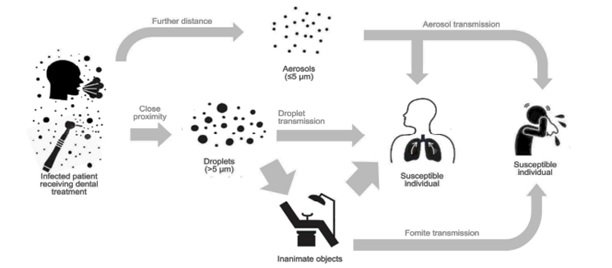
Fig. 1: Routes of infection transmission
Respiratory protection
The use of PPE, including masks, gloves, gowns, and goggles or face shields, is recommended to protect skin and mucosa from potentially infected blood or secretion. As respiratory droplets are the main route of SARS-CoV-2 transmission, particulate respirators like N-95 masks authenticated by the National Institute for Occupational Safety and Health or FFP2-standard masks set by the European Union are recommended for routine dental practice. Respiratory protection may be the last line of defence against worker exposure to inhalation hazards, but the use of respiratory protective devices to reduce exposure to airborne contaminants is widespread in industry.Facemasks and Cloth Face Coverings
Cloth Face CoveringsCDC recommends wearing cloth face coverings only in public settings where practising other social distancing measures is challenging, such as grocery stores, pharmacies, and gas stations. These may not protect the wearer and are only intended to help contain the wearer’s respiratory droplets from being spread. Cloth face coverings provide an extra layer to help prevent the respiratory droplets from traveling in the air and onto other people. People older than 2 years of age in public settings where other social distancing measures are difficult to maintain can use cloth face coverings or masks.6 Cloth face coverings are not PPE and should not be worn instead of a respirator or facemask if more than source control is required.
Facemask
A loose-fitting, disposable device that forms a physical barrier between the mouth and nose and potential contaminants in the immediate environment. Facemasks may be labelled as surgical, laser, isolation, dental, or medical procedure masks and are cleared by the FDA for marketing. They may be used with or without a face shield. Facemasks do not form a tight seal with the wearer’s face, they do not provide a reliable level of protection from inhaling smaller airborne particles, and are not considered appropriate respiratory protection.
Surgical mask
Surgical masks are fluid resistant and protect wearers from splashes, sprays, and splatter. Surgical masks do not seal tightly to the wearer’s face, do not provide the wearer with a reliable level of protection from inhaling smaller airborne particles, and are not considered ideal respiratory protection. It was reported that facemask caused less subjective discomfort feeling, lower perception of humidity, heat and breathe resistance than N95 respirator.9
Respirators
What is a Respirator?A respirator is a device that protects the wearer from inhaling chemicals and infectious particles, or are devices worn over the nose and mouth to protect the wearer from hazardous materials in the breathing zone. The decision to use respirators to protect workers from workplace exposures should be based on a thorough understanding of the hierarchy of methods for hazard control following identification and evaluation of inhalation hazards.

Fig. 2: Photo courtesy of Kimberly-Clark Healthcare
Filtering facepiece (dust masks) are generally made with a cloth-like filter material. Chemical cartridge or gas mask respirators are made from a variety of materials. Surgical face masks are made with non-woven fabric, to provide filtration and air permeability while being less slippery than woven cloth. The most common material is polypropylene, 20 or 25 grams per square meter (gsm) in density.
The most popular respirator facepiece materials are silicone, neoprene, and rubber. Rubber and neoprene are rigid and durable. Silicone is usually selected for its comfort, flexibility and ease in cleaning. Full-face respirators with strap harnesses or ratchet suspensions are common. Ratchet suspensions are easier to adjust, which makes donning and doffing easier.7 The filter cartridge has a plastic canister, which contains a filtration aid. Carbon based filtrants can adsorb large quantities of organic gases.
Types of Respirators
Respirators are of many types, models, and sizes and are used for a variety of applications. Most common types of respirators in healthcare are:- Filtering facepiece respirators (FFRs)
- Powered air-purifying respirators (PAPRs).
Different respirators are designed to provide different levels of protection against different hazards. OSHA has given each class of respirator an assigned protection factor (APF) to indicate the minimum level of protection that can be expected when the respirators are properly selected and used in a continuing, effective respiratory protection program.
The factors that dictate the selection of the respirator are: the type of airborne contaminant, its concentration, its potential to cause an infection in exposed personnel, and any applicable regulations.
FFP (filtering facepiece) mask
An FFP mask is a type of disposable, negative-pressure, air purifying respirator(APR). Unlike the surgical mouth mask, it protects from inhalation of aerosols, droplets or small solid particles by acting as a mechanical filter. A major part of the facepiece or the entire facepiece is made of filtering material. The mask is a half-face mask, which protects the chin, nose and mouth. It should be correctly adjusted and adapted to the contours of the face. Its efficiency is assessed by the filtration rate, or filter penetration and the degree of leakage around the edges of the respirator.
It is certified by the European union that serves to protect against particulate such as dust particles and various viruses in the air. The EN 149 standard defines three classes of filter efficiency for these masks, namely FFP1, FFP2 and FFP3.11
Some FFPs may come with an exhalation valve which allows unfiltered air to freely exit the mask. Therefore, in diseases with airborne or respiratory droplet transmission (like COVID 19) a mask with a valve won’t protect the surrounding persons and the environment from the pathogens potentially exhaled by the person wearing such a mask. Additionally, the exhalation valve might malfunction, which could increase the danger of infiltration of contaminants or toxic dust.

These are tight-fitting respirators in which inspired air is pushed through an air-purifying filter, cartridge, or canister during inhalation, generating a negative pressure inside the facepiece relative to ambient air pressure outside the respirator. They are available as either a half mask that covers the nose and mouth or a full facepiece that covers the nose, mouth, and eyes.
They may be disposable or “single-use,” the filter is not replaceable for FFRs where the entire facepiece is made of filtering material, OR elastomeric respirators that come with replaceable filters or cartridges. Based on the efficacy, NIOSH has classified the FFRs as follows
NIOSH (National Institute for Occupational Safety and Health) FILTER CLASSES8
- N95 Filters at least 95% of airborne particles. Not resistant to oil.
- N99 Filters at least 99% of airborne particles. Not resistant to oil.
- N100 Filters at least 99.97% of airborne particles. Not resistant to oil.
- R95 Filters at least 95% of airborne particles. Resistant to oil.
- P95 Filters at least 95% of airborne particles. Oil proof (strongly resistant to oil).
- P99 Filters at least 99% of airborne particles. Oil proof (strongly resistant to oil).
- P100 Filters at least 99.97% of airborne particles. Oil proof (strongly resistant to oil).
- HE (high efficiency) Filters at least 99.97% of airborne particles. For use on PAPRs only.

Fig. 3: Sample of a generic filtering facepiece respirator with appropriate markings. (2020). Retrieved from https://www.cdc.gov/niosh/npptl/ topics/respirators/disp_part/default.html
N95 respirator
“N95 respirator” is a half mask APR with a NIOSH-approved N95 particulate filter. An N95 respirator may be a filtering facepiece respirator or half mask elastomeric respirator; both have an APF of 10 and are used in healthcare. These respirators negative-pressure respirators. They may come with spray- or splash-resistant facemask material on the outside (also known as “surgical N95 respirators”) which may be especially useful during dental procedures where splatter is commonly encountered. These respirators require fit testing prior to their use.

Fig. 4: HCP wearing an N95 mask
Elastomeric Respirators
Elastomeric Respirators are half-facepiece, tight-fitting respirators made of synthetic or rubber material, this allows repeated disinfection, cleaning, and reuse. They are equipped with replaceable filter cartridges. Similar to N95 respirators, elastomeric respirators require annual fit testing. Elastomeric respirators are avoided in surgical settings due to concerns regarding the exhalation valve as it may contaminate the sterile field.
OSHA’s Respiratory Protection Standard or the procedures recommended by the respirator manufacturer, provided they are at least as effective as OSHA’s procedures should be followed for cleaning and disinfection for these respirators.14
Disinfection:
Filter cartridges are separated from the facepiece prior to cleaning and disinfecting the elastomeric facepiece components. Remove, clean, disinfect, rinse and dry all reusable parts, inspect and repair or replace based on the condition and integrity of the straps and other parts of the elastomeric facepiece, and store appropriately in the designated area. It is crucial that the respirators is thoroughly air dried prior storage. The order and details of each step are important.


Fig. 5: A half mask and full mask elastomeric respirator

Fig. 6: Elastomeric respirator with replaceable filter cartridge
Air-Purifying Respirators
Air-purifying respirators (APRs) remove gases, vapors, aerosols from the air through the use of filters, cartridges, or canisters. APRs with filters will remove droplets and aerosols from the inhaled air, while those with chemical cartridges or canisters are designed to remove gases and vapors. All filters, cartridges, and canisters must carry a label approved by NIOSH. As a secondary means of identification, cartridges and canisters must are color-coded as specified by NIOSH. APRs do not provide clean breathing air from a source independent of the work area; therefore, APRs cannot be worn in an oxygen-deficient atmosphere.Types of Air-Purifying Respirators
Powered air-purifying respirators (PAPRs)
These may be used when aerosol-generating procedures are performed, or when the operator user is cannot wear a tight-fitting respirator. Powered air-purifying respirators(PAPRs) have a battery-powered blower that forces air from the room through filters or cartridges that clean the air before delivering it into the breathing zone of the respirator. A PAPR may have a tight-fitting half or full facepiece, or a loose-fitting facepiece, hood, or helmet.
High-efficiency (HE) filters are the only particulate filters available for powered air-purifying respirators.15 The benefits of PAPRs include a low breathing resistance with a high level of protection.15

Fig. 7: Photo courtesy of Honeywell International Inc.
Air-Supplying Respirators and Self-contained breathing apparatus (SCBAs)
Air-supplying respirators also known as atmosphere-supplying respirators, include supplied-air respirators and self-contained breathing apparatus (SCBAs). They provide clean breathing air from a source independent of the work area.
Supplied-air respirators have higher APF than Air Purifying Respirators (up to 1,000). A compressor or a large pressurized cylinder is supplies air for breathing. Air-supplying respirators may have a tight-fitting facepiece, which can be a half mask or a full facepiece, or a loose-fitting facepiece, hood, or helmet. They do not require filters or cartridges and protect the wearer from all types of contaminants. They can also be used in oxygen-deficient atmospheres. They protect the wearer from inhaling poisonous gases like carbon monoxide and other dangerous vapors.
Exercise testing for cardiovascular fitness may be necessary for use of SCBAs, if the work requires strenuous exertion or is associated with heat stress, or a clinical indication of a cardiovascular abnormality is present. These respirators are less likely to be used in a dental setting.
Developing a Respiratory Protection Program
An effective respiratory protection program is the one that includes the responsibilities of both employer and the workers. The employer should determine the wearer’s exposures to hazards and select an appropriate respirator for their respective task. The employer must provide all wearers with a medical evaluation, training about the hazards, uses and limitations of respirators, as well as fit testing, before use. It is the worker’s responsibility to comply with instructions learned through a formal education program on the use of respirators.
1. Assign Responsibility
A key component of a successful respiratory protection program (RPP) is the assignment of responsibilities for the implementation and administration of the program. OSHA requires that “the program be administered by a suitably trained program administrator.”
2. Exposure risk and Hazard Evaluation
Identify and evaluate potential exposures in the workplace that might require respiratory protection. Respirators for infectious agents must be selected according to anticipated exposure by task and according to recognized and generally accepted good infection control practices and public health guidance.

Use of teledentistry options for non-emergency dental consultations. Identify whether dental issues categorize as urgent or emergent for which patient is seeking care. If emergency dental care is deemed necessary, complete a systematic assessment at the time of check-in to determine whether a patient should be considered a suspected or confirmed COVID-19 case.
4. Safe Work Practices
Dental care workers should follow all the appropriate precautions recommended by the CDC, and ensure appropriate bloodborne pathogen standards are followed when encountering saliva and blood .
5. Personal Protective Equipment
PPE differs for the care of well patients care versus PPE needed when providing emergency care to a patient with suspected or confirmed COVID-19. Similarly, respirators with higher APF should be used in conjunction with other PPE for suspected or confirmed COVID patients.

When and what respirator?10

Medical Evaluation
All DCHP including those who are responsible for disinfection and cleaning of the working area or handling biomedical waste that require the use of a respirator must be physically able to perform their respective tasks while using the respirator. The employers must ensure that employees are medically fit to tolerate the physical and psychological stress imposed by respirator use, as well as the physical stress originating from job and workplace conditions.
Medical eligibility is to be determined by a physician or other licensed health care professional (referred to as a “PLHCP”)13. Employees must be evaluated though a medical examination and should be declared eligible by the physician to wear the respirator selected for their use prior to fit testing or first-time use of the respirator in the workplace. A variety of qualified health care providers, besides physicians, including occupational health nurses, nurse practitioners, and physician assistants, can perform the medical evaluations provided they are licensed to do so.
The medical evaluation program determines whether employees can tolerate the physiological burden associated with respirator use, including:13
- The burden of the weight and breathing resistance imposed by the respirator itself
- Musculoskeletal stress (e.g., when the respirator to be worn is a SCBA);
- Limitations on auditory, visual, and olfactory sensations; and isolation from the workplace environment.
The workplace conditions in which a respirator is used can add a physiological burden on the user. Therefore the medical evaluation must also consider the following factors:
- Type and weight of the respirator to be worn;
- Duration and frequency of respirator use;
- Expected physical work effort;
- Use of protective clothing and equipment to be worn;
- Temperature and humidity extremes that may be encountered.
A few of the health effects when wearing Respirators are enlisted below:
- Increased resistance to breathing
- Reduced endurance
- Reduced visual field
- Increased risk for heat stress
- Decreased voice clarity/loudness
- Decreased hearing ability
- Discomfort or irritation
- Psychological stress just In Time training PPE
FIT TEST
Fit test—The use of a protocol to qualitatively or quantitatively evaluate the fit of a respirator on an individual. A fit test should not be confused with a user seal check. A fit test is conducted to verify that a respirator is both comfortable and correctly fits the user.10 Dentists should preferably wear their loupes or eyewear during the fit testFit factor—A quantitative estimate of the fit of a particular respirator to a specific individual; typically estimates the ratio of the concentration of a substance in ambient air to its concentration inside the respirator when worn10.
Fit test methods are classified as either qualitative or quantitative.
Qualitative fit testing (QLFT)
A qualitative fit test is a pass/fail test that relies on the individual’s sensory detection of a test agent, a stimulus such as taste, smell, or involuntary cough (a reaction to irritant smoke*). It is a pass/fail test method that simply depends on detection of leakage into the respirator facepiece. It does not measure the actual amount of leakage. Qualitative fit testing is normally used for half-mask respirators - “N95s”as well as elastomeric respirators. Many healthcare systems use qualitative fit testing for HCP. In March 2020, OSHA recommended healthcare employers consider changing from a quantitative fit testing method to a qualitative fit testing method.14 Qualitative fit methods allow for rapid fit testing of larger numbers of HCP.


Fig. 8: Image courtesy – stills from Medical Respirator N95 Fit Test Instructions 3M Health Care Respirator & Surgical Mask
There are four qualitative fit test methods accepted by OSHA:16
- Isoamyl acetate, which smells like bananas;
- Saccharin, which leaves a sweet taste in your mouth;
- Bitrex, which leaves a bitter taste in your mouth; and
- Irritant smoke, which can cause coughing.
Advantages of qualitative fit testing:
a. Economic - Low cost of equipment
b. Simple pass/fail results
Disadvantages of qualitative fit testing:
a. Chance of deception or bluffing by employees
b. Limited protection-factor verification (maximum fit factor of 10)
Quantitative fit testing (QNFT)
It is an assessment of the adequacy of respirator fit by numerically measuring the amount of leakage into the respirator. This method utilizes an instrument to numerically measure the effectiveness of the respirator. A machine/device is used to measure the actual amount of leakage into the facepiece. It does not rely upon sense of taste, smell, or irritation in order to detect leakage, thus eliminates the risk of error due to employee’s degree of sensitivity to stimulus. The respirators used during this type of fit testing will have a probe attached to the facepiece that is connected to the machine by a hose. Quantitative fit testing can be used for any type of tight-fitting respirator.16 Many workers need to wear prescription glasses or personal protective equipment, such as safety goggles or earmuffs, while performing a job. If you fall into this category, then you must wear these items during the fit test to be sure they don’t interfere with the respirator’s fit. Retesting at least every 12 months must be done to ensure that the respirator still fits.16 One must be fit tested with the specific make, model, style, and size of respirator that you will be using.

Fig. 9: Quantitative fit test
There are three quantitative fit test methods accepted by OSHA:16
1. Generated aerosol;
2. Ambient aerosol; and
3. Controlled Negative Pressure.
Advantages of quantitative fit testing:
a. No protection-factor limit
b. Documentation of numerical results
c. No chance of employee deception or bluffing
Disadvantages of quantitative fit testing:
a. Expensive up-front equipment costs
b. Requires probed face piece or probe adapter
c. Annual recalibration of equipment is suggested
Safe Respirator Usage
1. Do not use a respirator unless ; Formally trained and Fit tested
2. Select the correct respirator for the job (ensure using surgical respirator that resists splatter during aerosol procedures)
3. Inspect the respirator before each use
4. Ensure the face seal – Remove facial hair – Prevent hair or eyeglasses or loupes from interfering
5. Do not wear contact lenses with a respirator
Before Usage
- Inspect all parts of the respirator before use
- Never use and discard if:
- Colour changes
- Shrinking
- Wearing/thinning of material
- Stretching
- Cuts/tears/holes
- Improper fit/ inadequate seal
- Ensure batteries are sufficiently charged for SCBAs
- Ensure proper air flow
- Do not use the respirator if it is not working properly.
Donning and doffing of FFRs
Putting On The Respirator17
Wash your hands thoroughly before putting on and taking off the respirator. Use the same make, model and size of the respirator that fit you before. Inspect the respirator for damage. Ensure facial hair, hair, jewellery, glasses, clothing, or anything else doesn’t interfere with proper placement of the respirator.

Fig. 10: Steps in donning the respirator17
Seal Test
A user seal check is performed by the wearer to determine if the respirator is properly worn. The user seal check can either be a positive pressure or negative pressure check.
During a positive pressure user seal check (fig.11a), the respirator user exhales gently while blocking the paths for air to exit the facepiece. A successful check is when the facepiece is slightly pressurized before increased pressure causes outward leakage.
During a negative pressure user seal check (fig.11b), the respirator user inhales sharply while blocking the paths for air to enter the facepiece. A successful check is when the facepiece collapses slightly under the negative pressure that is created with this procedure.


Fig. 11: Seal test

Fig.12: steps in performing seal check17
Doffing the Respirator17

Fig.13: Steps for doffing the Respirator
Crisis Strategies (during known shortages of respirators)
NIOSH has received several requests to assess respirators in the following categories18,19 for use during shortage in respirator supplies:(1) respirators that are beyond shelf life/stockpiled;
(2) respirators from a foreign source claiming to meet a non-NIOSH standard; and
(3) respirators that are going through decontamination methods.
These may be used after being examined by concerned local authorities when there are no standard options available.
Extended use
Extended use of N95 respirators by wearing the same N95 for repeated close contact encounters with several different patients, without removing the respirator is recommended in such situations19 for procedures where splatter and aerosol contamination are least expected.
Limited reuse of N-95 respirators
Re-use refers to the practice of using the same N95 respirator by one HCP for multiple encounters with different patients but removing it after each encounter – often called “limited reuse” because restrictions are in place to limit the number of times the same respirator is reused.10 It is important to consult with the respirator manufacturer regarding the maximum number of uses they recommend for the N95 respirator model. Re-use has been recommended as an option for conserving respirators during previous respiratory pathogen outbreaks and pandemics.
Data suggests limiting the number of reuses to no more than five uses per device to ensure an adequate safety margin. Because coronaviruses lose their viability significantly after 72 hours.3 If there is no soiling and minimal to no viral contamination of the mask, the CDC suggests that masks can be re-used up to 5 times with the following strategy:
Mask Rotation20
- Acquire a set number of N95 masks (at least 5 as per the CDC), and rotate their use each day, allow them to dry for long enough till the virus is no longer viable (> 72 hours).
- Respirators grossly contaminated with blood, respiratory or nasal secretions, or other bodily fluids from patients should be discarded. HCP can consider using a face shield or facemask over the respirator to reduce/prevent contamination of the N95 respirator.
- Proper storage requires either hanging the respirators to dry, or keeping them in a clean, breathable container like a paper bag between uses. Make sure the masks do not touch each other, and that you do not share your respirator with other people.
- A user seal check should be performed before each use.
- Practice fastidious donning/doffing to avoid contamination of the inside or outside of the mask at all times.
- HCP should use a clean pair of gloves when donning or adjusting a previously worn N95 respirator. Discard gloves and perform hand hygiene after the N95 respirator is worn or adjusted.

Fig. 14a: Correct method for storing N95respirators for reuse,

Fig.14b: Incorrect method of storing N95 masts in sealed plastic bags
Decontamination of FFRS
Decontamination and reuse of FFRs are not consistent with approved usage, this option may need to be considered when FFR shortages exist. An effective FFR decontamination method should reduce the pathogen burden, maintain the function of the FFR, and present no residual chemical hazard. The filter media in NIOSH-approved respirators varies by manufacturer. The ability of the respirator filter media to withstand cleaning and disinfection are not NIOSH performance requirements21.
Decontamination might result in poorer fit, filtration efficiency, and breathability of disposable FFRs as a result of detrimental changes to the filtering material, straps, nose bridge material, or strap attachments of the FFR. Most decontamination procedures can only be done for limited times.
- Vaporous hydrogen peroxide, ultraviolet germicidal irradiation, and moist heat are the most promising decontamination methods that do not seem to affect filtration or compromise the FFR.
- Hydrogen Peroxide Vaporization
- Pilot studies have shown that this method allows multiple cycles of N95 processing with acceptable preservation of function. It is now approved by the FDA as an emergency method for N95 decontamination for HCP during the COVID-19 pandemic. This method can only be employed for N95 models that do not contain cellulose.21
- UV treatment: UV treatment of N95 masks with specific dosing protocols and full surface area illumination ensures proper inactivation of viral particles with minimal mask degradation. Home UV lights are not recommended for this purpose.
- Dry Heat: Dry heating the N95 mask at 70°C for 30 can adequately kill virus and preserve the filter integrity for re-use. Recent tests at the NIH utilizing SARS-CoV-2 specifically indicated that this method can be used for two cycles to kill the virus without compromising fit.21 Research to determine optimal parameters for effective decontamination with this method are underway, it is not yet recommended by the CDC.
- Decontamination using an autoclave, 160°C dry heat, 70% isopropyl alcohol, microwave irradiation and soap and water all caused degradation of FFRs. Particle penetration levels did not meet the levels that NIOSH would allow for approval.
Disposal of FFRs and facemasks
- Cloth masks should be washed properly and frequently and left to hang and air dry.
- For Surgical masks - Proper hand hygiene must be performed before and after taking off and discarding the mask, as touching one’s face with unwashed hands heightens the risk of illnesses. After that, one should take off the mask, and fold it in half inwards, such that the droplets from the mouth and nose are not exposed. Then, fold the mask into another half, until the mask looks like a roll or the mask can wrapped with its ear loops so that it does not unravel. Masks should be treated as medical waste. The infected masks have respiratory secretions on them and can be dispersed and transmitted through the air, therefore it is advisable that masks that are to be disposed be placed in a labelled disposable paper bag and left for 72 hours before it is mixed with other waste.
- For FFRs – Wear gloves whilst doffing. Handle the mask with caution so as to not disseminate contaminants on it. Place the mask in a plastic bag or zip-lock bag. Secure the bag tightly. Dispose the plastic bag into garbage can or biomedical waste disposal unit. Perform hand hygiene.
Conclusion
Infection control procedures including administrative rules and engineering controls, environmental hygiene, correct work practices, and appropriate use of personal protective equipment (PPE) are all necessary to prevent infection spread during dental treatment. All dentalcare providers must implement a proper respiratory program and ensure that their team is well trained and capable of using respirators effectively following medical evaluation. Individual DCHP should ensure they have understood the respiratory program protocols and should implement it. They must be able to identify inefficient, ill fitting or damaged respirators. Protocols for storing n-95 respirators for reuse should be explained and taught to the respective employees in charge of this responsibility. The importance of judicious use of respirators should also be reinforced.References
- Siegel, J. D., Rhinehart, E., Jackson, M., Chiarello, L., & Health Care Infection Control Practices Advisory Committee (2007). 2007 Guideline for Isolation Precautions: Preventing Transmission of Infectious Agents in Health Care Settings. American journal of infection control, 35(10 Suppl 2), S65–S164. https://doi.org/10.1016/j.ajic.2007.10.007
- (“Precautions | Isolation Precautions | Guidelines Library | Infection Control | CDC,” 2020)
- Van Doremalen, N., Bushmaker, T., Morris, D. H., Holbrook, M. G., Gamble, A., Williamson, B. N., Tamin, A., Harcourt, J. L., Thornburg, N. J., Gerber, S. I., Lloyd-Smith, J. O., de Wit, E., & Munster, V. J. (2020). Aerosol and Surface Stability of SARS-CoV-2 as Compared with SARS-CoV-1. The New England journal of medicine, 382(16), 1564–1567. https://doi.org/10.1056/NEJMc2004973
- Otter, J. A., Yezli, S., Salkeld, J. A., & French, G. L. (2013). Evidence that contaminated surfaces contribute to the transmission of hospital pathogens and an overview of strategies to address contaminated surfaces in hospital settings. American journal of infection control, 41(5 Suppl), S6–S11. https://doi.org/10.1016/j.ajic.2012.12.004
- Meng, L., Hua, F. and Bian, Z. (2020) ‘Coronavirus Disease 2019 (COVID-19): Emerging and Future Challenges for Dental and Oral Medicine’, Journal of Dental Research, 99(5), pp. 481–487. doi: 10.1177/0022034520914246.
- Use of Cloth Face Coverings to Help Slow the Spread of COVID-19. (n.d.). Retrieved May 29, 2020, from https://www.cdc.gov/coronavirus/2019-ncov/prevent-getting-sick/diy-cloth-face-coverings.html
- General Respiratory Protection Guidance for Employers and Workers. (n.d.). Retrieved May 29, 2020, from https://www.osha.gov/dts/shib/respiratory_protection_bulletin_2011.html
- NIOSH-Approved Particulate Filtering Facepiece Respirators. (n.d.-c). Retrieved May 16, 2020, from 1.https://www.cdc.gov/niosh/npptl/topics/respirators/disp_part/default.html
- Li Y, Tokura H, Guo YP, et al. Effects of wearing N95 and surgical facemasks on heart rate, thermal stress and subjective sensations. Int Arch Occup Environ Health. 2005;78(6):501â€Â509. doi:10.1007/s00420-004-0584-4
- Hospital Respiratory Protection Program Toolkit. (n.d.). Retrieved May 31, 2020, from https://www.cdc.gov/niosh/docs/2015-117/pdfs/2015-117.pdf?id=10.26616/NIOSHPUB2015117
- “Respiratory protective devices - Filtering half masks to protect against particles” (PDF). cnse.gov.cn. National Special Equipment Publicity Information Query Platform, China. Retrieved 2020-04-30.
- “Fiche pratique de sécurité ED 105. Appareils de protection respiratoire et métiers de la santé” (pdf). inrs.fr. INRS. Retrieved 30 April 2020
- Dentistry Workers and Employers. (n.d.). Retrieved May 16, 2020, from https://www.osha.gov/SLTC/covid-19/dentistry.html
- OSHA Technical Manual (OTM) | Section VIII: Chapter 2: Respiratory Protection | Occupational Safety and Health Administration. (n.d.). Retrieved May 27, 2020, from https://www.osha.gov/dts/osta/otm/otm_viii/otm_viii_2.html
- A Guide to Air-Purifying Respirators . (n.d.). Retrieved May 27, 2020, from https://www.cdc.gov/niosh/docs/2018-176/pdfs/2018-176.pdf?id=10.26616/NIOSHPUB2018176
- Respirator Fit Testing | Occupational Safety and Health Administration. (n.d.). Retrieved May 29, 2020, from https://www.osha.gov/video/respiratory_protection/fittesting_transcript.html
- How to Properly Put on and Take off a Disposable Respirator. (n.d.). Retrieved May 16, 2020, from https://ehs.msu.edu/_assets/docs/don-doff-n95.pdf
- NPPTL Respirator Assessments to Support the COVID-19 Response. (n.d.). Retrieved May 28, 2020, from https://www.cdc.gov/coronavirus/2019-ncov/novel-coronavirus-2019-SupplyChecklist_of-N95-Respirators_COVID-19_4_6_20_num.pdf
- Summary for Healthcare Facilities: Strategies for Optimizing the Supply of N95 Respirators during the COVID-19 Response . (n.d.). Retrieved May 31, 2020, from https://www.cdc.gov/coronavirus/2019-ncov/novel-coronavirus-2019-SupplyChecklist_of-N95-Respirators_COVID-19_4_6_20_num.pdf
- Recommended Guidance for Extended Use and Limited Reuse of N95 Filtering Facepiece Respirators in Healthcare Settings. (n.d.). Retrieved May 31, 2020, from https://www.cdc.gov/niosh/topics/hcwcontrols/recommendedguidanceextuse.html
- Decontamination and Reuse of Filtering Facepiece Respirators. (n.d.). Retrieved May 31, 2020, from https://www.cdc.gov/coronavirus/2019-ncov/hcp/ppe-strategy/decontamination-reuse-respirators.html
Disclaimer from Guident
The views and opinions expressed in articles published in Guident are solely those of the authors and do not necessarily reflect the views of the editors, the editorial board or the publisher, Ivory India. Guident does not endorse any product, technique or treatment described. Clinical content is intended for qualified dental and medical professionals and is not a substitute for individual clinical judgement. Guident, its editors and the publisher accept no liability for any consequence arising from the use of information published in the journal.
How to cite this article
Dr. Adiba Pathan, Dr. K. Sheela, Dr. Rathika Rai. Respirators for Dental Health Care Providers. Guident. 2020 Jul;13(8). Available from: https://ivoryindia.in/articles/general/respirators-for-dental-health-care-providers.html