Herbal Endodontics: Integrating Natures Remedies into Modern Dental Care
Department of Conservative Dentistry and Endodontics, K. D. Dental College and Hospital, Mathura, Uttar Pradesh, India
ABSTRACT
Herbal products are gaining popularity in dental and medical practice nowadays due to their biocompatibility, higher antimicrobial activity, antioxidant and anti-inflammatory properties. Herbal medicine has experienced rapid growth in recent years due to its beneficial properties, ease of availability, and lack of side effects. As pathogenic bacteria become more resistant to antibiotics and chemotherapeutic agents, researchers are becoming more interested in alternative products and treatment choices for oral diseases. As a result, natural phytochemicals separated from plants and utilized in traditional medicine are suitable substitutes for synthetic chemicals. The herbal products used in endodontics have several advantages, including safety, ease of use, increased storability, low cost, and a lack of microbial tolerance.
INTRODUCTION
Traditional medicine has been utilizing herbal extracts for several generations. Herbal medicine is defined by the World Health Organization as any substance or preparation generated from plants that includes raw or processed components from one or more plants that have therapeutic benefits.
Herbal medicine takes a preventative and promotional approach to medicine. The term "Phytotherapy, Phytomedicine, or Ethnopharmacology" refers to this method of using plants to treat a variety of illnesses. The area of herbal medicine has experienced tremendous growth in recent years because of its advantageous qualities, accessibility, and lack of negative side effects.1
The key to good oral health is hidden in nature. Herbal remedies have becoming more and more popular in dentistry these days. Dentistry professionals work at a time when people are more worried about their general health as well as their dental health. Thus, herbal medicines with their "naturally occurring" active substances offer an effective and long-lasting alternative for health restoration via the most reliable and least detrimental means, especially in context with the mounting evidence linking oral health to overall body health.2
Researchers examined at a variety of potential substances from nature in the quest for novel irrigants and intracanal medications that possess good biocompatibility and antibacterial activity. India is home to an abundant source of therapeutic plants that are dispersed throughout the nation. They once held the belief that an individual's body might remain in harmony by using the appropriate herb in the proper combination. Herbs include a variety of components, including alcohols, flavonoids, tannins, and essential oils, which contribute to their differing degrees of therapeutic efficacy. Apparently, it is the most supernatural therapies feasible on our earth nowadays. Herbal extracts work because they interact with certain chemical receptors in the body, and they are, in a pharmacotherapetic sense, medications.3
By employing both mechanical and chemical methods to disinfect the contaminated root canal system, endodontic therapy aims to produce an environment that is favourable to periradicular healing. During the past several years, there has been an upsurge in the use of medicinal plants as an antibacterial medication in dentistry, particularly in endodontic therapy. There is increasing world?wide interest in the production of high-value chemicals, and pharmaceuticals by green, sustainable processes as an alternative and complement to oil-based processes and in strategic terms engineered biosynthesis of natural products. Using herbal substitutes has several benefits, such as being readily available, having a long shelf life, being affordable, having minimal toxicity, and not having been linked to any cases of microbial resistance to yet.4
APPLICATION OF HERBS IN ENDODONTICS
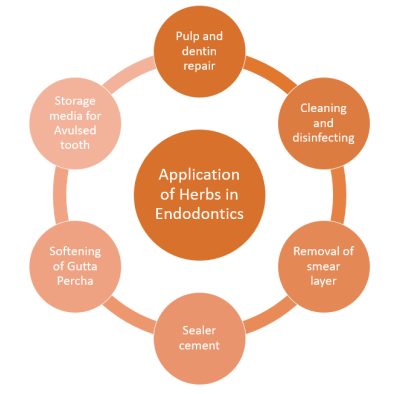
Figure 1: Application of Herbs in Endodontics
1. PULP AND DENTIN REPAIR
Several materials can be used for pulp capping in order to promote dentinogenesis, or tissue healing, across the exposed pulp. Because natural herbs increase angiogenic factors, mineralization of alkaline phosphatase activity, and morphogenetic protein expression, they may potentially be a viable pulp capping choice for human dental pulp cells. These factors also promote angiogenesis and odontoblastic differentiation of the pulp cells. A variety of substances have been employed as pulp capping agents, including propolis, baicalin, acemannan, galla Chinensis extract, nigella stevia, genipin, and green tea polyphenols. Comparing these materials to Ca(OH)2, they tend to be more biocompatible, can prevent caries, and produce hard tissue bridges. They can also activate numerous enzyme systems, circulation, cell metabolism, and collagen synthesis.5
2. CLEANING AND DISINFECTION
Advantages of using herbal endodontic irrigants include: reduced microbial resistance against Enterococcus faecalis; high antimicrobial activity; anti-inflammatory, antiseptic, and antioxidant properties; biocompatibility; ease of availability; cost-effectiveness; less toxicity; and less or no staining of teeth compared to synthetic irrigating solutions.6
Both conventional medications and antibiotics can occasionally have adverse impacts on the host, which include allergic responses, immunosuppression, and hypersensitivity. Scientists were compelled by this circumstance to seek for novel antimicrobial substances. Plant-based medicines offer a vast range of uses for therapeutic potential. They effectively treat infectious diseases while also reducing a number of adverse effects that are frequently attributed to synthetic medications.7
- NEEM (AZADIRACHTA INDICA) - It is often referred to as "Persian lilac" or "Indian lilac" or "Indian neem/margosa tree". It has been demonstrated that neem extract exhibits broad antibacterial effectiveness against both Gram-positive and Gram-negative bacteria. Enterococcus feacalis and Streptococcus mutans have both been observed to be susceptible to these effects. It also has strong antifungal and antibacterial qualities. Neem's isoprenoid group, which includes nimbin, nimbinin, nimbidinin, nimbolide, and nimbidic acid, has a variety of medicinal and antibacterial abilities that point to its possible use as an endodontic irrigant. The drawback is that nimbidin, which is found in neem, gives it a very bitter flavor. Different formulations can change the bitter taste associated with this plant by adding sweeteners and flavors to improve patient acceptance and compliance.8
- TRIPHALA - It is a combination of three herbs namely, Indian gooseberry (Emblica officinalis) also known as amalaki or amla, black myrobalan (Terminalia chebula) also known as haritaki or harada, and belleric myrobalan (Terminalia bellirica) also known as bibhitaki or bahera, in defined proportion. Compared to conventional root canal irrigants, triphala has additional advantages of being an antioxidant and an anti-inflammatory agent. This makes it an effective herbal substitute without the adverse effects of NaOCl. Triphala has demonstrated encouraging results in eliminating the smear layer and is an effective chelating agent due to the high citric acid content of the fruits. The T. chebula plant's extract aids in preventing the development of dental plaque. It prevents glucan-induced aggregation and sucrose-induced adhesion, two processes that promote microbial colonization on the surface of teeth. This prevents inorganic materials like enamel and dentin from demineralizing and from accumulating acids on the surface of the teeth.9
- TEA TREE OIL - As an antiseptic and antifungal agent with a mild solvent action, tea tree oil, or Melaleuca alternifolia, is a native Australian plant whose oil has many properties that make it useful in dentistry. It works both as an antifungal and an antiseptic. It has mild solvent action and hence could hold potential applications in root canal treatment for dissolving the necrotic pulp tissue. Oil of Melaleuca has a wide spectrum of activity. It possesses effective antimicrobial activity against Gram-positive bacteria, such as Staphylococcus aureus and Gram-negative bacteria, such as Escherichia coli or Salmonella typhimurium. The recommended therapeutic concentration for tea tree oil is 2.5 to 5%, in which it can retain its antibacterial property without any toxic effect. Tea tree oil changes the permeability of C. albicans cells and also suppresses respiration in C. albicans in a dose-dependent way.10
- TULSI - The plant Ocimum sanctum L. is a medicinal plant with numerous therapeutic applications. Tulsi has been shown to exhibit antimicrobial activity against a variety of bacteria, the most common ones being Candida albicans, Staphylococcus aureus, and Escherichia coli, according to phytoconstituents extracted from different parts of the plant. The oil has antibacterial activity against S. aureus, Bacillus pumius, and Pseudomonas aeruginosa, with S. aureus being the most sensitive organism. Several researchers have demonstrated that at a concentration of 4%, tulsi extract could be utilized as an intracanal irrigant for primary molars. Eugenol is considered to be the active component responsible for its antibacterial action. Because of this, Tulsi may be employed safely even at higher concentrations than sodium hypochlorite due to its non-bio-friendly reactions to the developing tooth bud and burning sensation to the tissues or cause inadvertent allergic responses.11
- MISWAK (SALVADORA PERSICA) - Arabic culture has long been familiar with the practice of cleaning teeth and mouth using sticks made from the Salvadora persica plant. The name Miswak or Siwak refers to this stick. Salvadorine and trimethylamine, which are present in it, have been demonstrated to have antibacterial properties against cariogenic bacteria such Streptococcus mutans. Research has demonstrated that these active principles promote periodontal health, inhibit the growth of dental plaque that resembles biofilms, and have fungistatic properties against Candida albicans. At an ideal therapeutic concentration, S. persica appears to have strong antimicrobial properties with minimal cytotoxicity, along with no discernible harm to the host cells, according to recent research and data. Against both aerobic and anaerobic species, S. persica demonstrated significant antimicrobial properties. Miswak has limited antimicrobial activity against Lactobacillus but significant effects against Enterococcus faecalis, Porphyromonas gingivalis, Actinobacillus, and Haemophilus influenza.12
- PROPOLIS- It's been referred to as Russian Penicillin. Propolis is a naturally occurring sticky material that honey bees gather from the resin of flowers, trees, and other plants. In dentistry, propolis is used as an anticaries agent, a pulp capping agent, an irrigant for root canals, an intracanal medication, a surgical wound healing agent, and a sealant for dentinal hypersensitivity. Propolis has well-known antibacterial, antifungal, antiviral, immunomodulatory, and antioxidant properties. It is also ten times less cytotoxic than calcium hydroxide. When calcium hydroxide is compared with propolis, propolis is more effective against E. faecalis. Propolis has antibacterial properties that may be greatly enhanced by its effects on membrane permeability and membrane potential, which may also lessen cell resistance to other antibacterial agents. Certain components of propolis improve membrane permeability and reduce bacterial movement. These effects may contribute to the antimicrobial action of propolis and to its small, but significant, synergism with antibiotics. The flavonoids in propolis are often responsible for its biological action. It has been suggested that propolis's detrimental influence on the integrity of the cell wall was caused by its interaction with cellular sulphydryl compounds.13
- ALOE VERA - Aloe Barbadensis Miller, a member of the liliacea family, is well-known for its many biological and therapeutic properties, including its ability to heal wounds, hypoglycemic effects, have anti-inflammatory and immune-modulating actions, and has antimicrobial properties. Numerous studies have demonstrated the significant antimicrobial effects of aloe vera against a range of species, including staphylococcus aureus, candida albicans, Enterococcus faecalis, and Streptococcus pyogen. Aloe vera is biocompatible and it does not pose any long-term toxicity risk to the tissues surrounding its roots. Compared to calcium hydroxide, it has a stronger antibacterial action and lowers the generation of free radicals. Conversely, compared to calcium hydroxide, its cytotoxicity is lower. It promotes the production of collagen and the proliferation of fibroblasts. Other characteristics include stimulation of pulp cell proliferation, differentiation, and extracellular matrix mineralization.14
- TURMERIC - Curcuma longa, another name for one of the most widely used medicinal plants, is used to treat a wide range of illnesses. The main component of turmeric powder and turmeric essential oils is curcumin, which is often referred to as curcuminoids or phenolic compounds. Curcumin possesses strong antioxidant qualities. Aside from its ease of availability, affordability, and other biological properties, turmeric can be utilized as an antibacterial agent in the treatment of infected root canals. Turmeric can be employed as a possible endodontic intracanal medication since studies have demonstrated its antibacterial properties against endodontic infections. Curcumin, via blocking the dynamics of FtsZ assembly in the Z-ring required for bacterial cell division, potently suppresses the growth of bacterial cells.15
- LIQUORICE (Glycyrrhiza glabra) - Liquorice is a member of the glycyrrhiza species and a sweet, moisturizing, and calming herb. The ethanolic extract of G. glabra demonstrates the highest minimum inhibitory concentration (MIC) value against Escherichia coli and effective MIC values against all oral bacteria, including Streptococcus mutans, Actinomyces viscosus, and E. faecalis. Therefore, G. glabra has greater antibacterial activity against Gram-positive bacteria than Gram-negative bacteria. Secondary metabolites such as saponins, flavonoids, isoflavonoids, chalcones, coumarins, aurones, benzofurans, phenols, pterocarpans, and stilbenes are responsible for the biological effects and also add to the pharmacological characteristics of the substance. The mode of action of antibacterial effects of saponin seems to involve membrano-lytic properties, rather than simply altering the surface tension of the extracellular medium, thus being influenced by microbial population density. The bacterial respiratory electron transport chain is assumed to have a site of inhibition between coenzyme Q and cytochrome C, which is strongly inhibited by the flavonoid content of liquorice extract. Compared to Ca(OH)2 alone, liquorice extract significantly inhibits the growth of E. faecalis, whether used alone or in conjunction with it.16
3. SEALER CEMENT
Using sealers with high sealing capabilities and antimicrobial properties is preferable. Endodontic medications must be as minimally cytotoxic as possible as they come into communication with the periapical tissues. Bioactive substances with antimicrobial action, such as licorice, bakul, guguchi, amla, miswak, and nutmeg, are added to commercial root canal sealers to significantly reduce bacterial growth and create bacterial inhibitory zones. Commercially available root canal sealers in conjunction with other remedies including cinnamon oil, green tea, propolis, tamarindo skin extract, and moringa root can also be utilized.17
4. REMOVAL OF OBTURATION MATERIAL BY SOFTENING AND DISSOLVING
Retreatment of a root canal is sometimes much more challenging than the initial treatment since it may be necessary to disassemble restorations in order to access the root canal system. Irrigants and medications are used to disinfect the infected root canal after the existing root filling is removed. In the past, gutta-percha has been softened and dissolved employing solvents. All solvents, meanwhile, have to be handled carefully because it is known that they are harmful to the periapical tissues. There are herbal alternatives to solvents that can be used to remove gutta percha.
- ORANGE OIL- Orange oil is an essential oil that is generated by the cells in the rind of citrus sinensis fruits, or orange fruits. In contrast to other essential oils, this one is derived as a by-product of centrifuging orange juice, yielding a cold-pressed oil. An effective substitute for potentially hazardous solvents is orange oil. About 90% of sweet orange oil is made up of D-limonen, an effective cleaning solution with a pleasant scent that is also thought to be ecologically friendly. Its genotoxicity or carcinogenicity have not been demonstrated. In addition, compared to eucalyptol and chloroform, orange oil is more biocompatible and less cytotoxic. According to reports, orange oil and xylol worked wonders in softening the gutta-percha and sealer cements without posing any risks. It has been demonstrated that orange oil is more biocompatible than halothane, eucalyptol, xylol, and chloroform. It had been found that orange oil behaved similarly to eucalyptol, chloroform, and xylol in its ability to dissolve sealers based on zinc oxide and ethylene. However, the resin-based components are not well dissolved by eucalyptol or orange oil.18
- EUCALYPTUS OIL - From the leaves of Eucalyptus globulus, eucalyptus oil is extracted. Eucalyptus oil is a solvent which has shown its capacity for endodontic dissolution. It is the most effective substitute for chloroform in the treatment of gutta percha. On periodontal tissue, it has a beneficial antiseptic and anti-inflammatory action. When applied to thermoplastic gutta-percha at the apical third of the canal, eucalyptol had the most impact.19
5. AVULSED TEETH STORING MEDIA
Avulsion injuries are among the most severe types of dental injury. Root resorption risk is significantly reduced and PDL healing is improved with immediate tooth replantation. Therefore, minimizing the amount of time between trauma and tooth replantation and preserving the extracted tooth in an appropriate transport medium may help to greatly improve the prognosis by lessening the negative effects of the extra oral period on the root surface.
Avulsed teeth can be successfully transferred using the following five herbal research media: Vaccinium macrocarpon, Punicia granatum, Psidium guajava, Prunus domestica, and Camellia sinensis. With a viability loss of 24.7% from 15 minutes to 3 hours, they have the capacity to maintain viable cells even when the extra-alveolar duration is prolonged.
- GREEN TEA EXTRACT: With 90% cell viability maintained for up to 24 hours, green tea was shown to be an effective medium for reducing infections following tooth replantation, preserving PDL cell viability, and decreasing root resorption and ankylosis.
- RED MULBERRY, OR MORUS RUBRA: It has been reported to be able to maintain PDL cell viability when teeth are kept in it for up to 12 hours.
- RICE WATER: After 30 minutes, a significant amount of living periodontal ligament cells were found in the rice water, suggesting that the nutritional content of the water positively affects the cells' vitality.
- ALOE VERA: Aloe Vera significantly retained PDL cells as compared to other experimental storage media. For avulsed teeth, aloe vera 10%, 30%, and 50% may be recommended as a suitable storage medium.5
CONCLUSION
In endodontics, plants and their extract can be used to prevent the potential side-effects caused by conventional chemical agents. These herbal remedies are made from the stems, roots, leaves, seeds, and flowers of therapeutic plants. The principal advantages of utilizing herbal substitutes are their simple accessibility, affordability, longer shelf life, minimal toxicity, and lack of microbial resistance reported so far. The observations of herbal products in vitro seem encouraging; nevertheless, before they can be suggested as intracanal irrigating solutions and medications with certainty, preclinical and clinical research are required to assess the biocompatibility and safety factor.
When used properly, herbs usually remain harmless; nevertheless, if misused they can be hazardous. Numerous herbal remedies have possible risks, adverse effects, and medication interactions that might compromise our ability to perform dentistry safely.
Therefore, it is recommended that herbs be used exclusively for treatments that have been shown to be effective with minimal risk.
REFERENCES
- Andamuthu S, Vaiyapuri R, Prasad A S, and Sivakumar J S. "Herbendodontics–Phytotherapy in endodontics: A review." Biomed Pharmacol J 2018; 11: 1073-1082.
- Malhotra R, Grover V, Kapoor A, Saxena D. “Comparison of the effectiveness of a commercially available herbal mouthrinse with chlorhexidine gluconate at the clinical and patient level.” J Indian Soc Periodontol 2011; 15: 349-352.
- Yadav J, Tangade P, Jain A, Agrahari P, Chaudhary V. “Dental herbs: Ethomedicinal plants in dentistry.” Int J Appl Dent Sci 2021; 7: 115-117.
- Almadi E M, and Almohaimede A A. “Natural products in endodontics.” Saudi Med J 2018; 2: 124-130.
- Karobari M I, Adil A H, Assiry A A, Basheer S N, Noorani T Y, Pawar A M, Marya A, Messina P, Scardina G A. “Herbal medications in endodontics and its application—A review of literature.” Materials 2022; 9: 1-17.
- Kale P P, Raut A W. “A proposed classification system for herbal endodontic irrigants.” J Conserv Dent 2021; 3: 293-295.
- Joshi B, Lekhak S, and Sharma A. “Antibacterial property of different medicinal plants: Ocimum sanctum, Cinnamomum zeylanicum, Xanthoxylum armatum and Origanum majorana.” Kathmandu Univ Med J 2009; 5: 143-150.
- Singh H, Kaur M, Dhillon J S, Batra M, Khurana J. “Neem: a magical herb in endodontics.” Stomatological Dis Sci 2017; 1: 50-54.
- Kondalkar A, Kondalkar S A, Kumar V, Mangal A K and Subhose V. “Effect of proportion composition variation on physicochemical parameters of Triphala.” Int J Pharm Sci & Res 2018; 9: 4280-4285.
- Kamath U, Sheth H, Ramesh S, Singla K. “Comparison of the Antibacterial Efficacy of Tea Tree Oil with 3% Sodium Hypochlorite and 2% Chlorhexidine against E. faecalis: An in vitro Study.” J Contemp Dent 2013; 3: 117-120.
- Srinivas N, Sali K, Bajoria A A. “Therapeutic aspects of Tulsi unraveled: A review.” J Indian Acad Oral Med Radiol 2016; 1: 17-23.
- Niazi F, Naseem M, Khurshid Z, Zafar M S, Almas K. “Role of Salvadora persica chewing stick (miswak): A natural toothbrush for holistic oral health.” Eur J Dent 2016; 2: 301-308.
- Mirzoeva O K, Grishanin R N, Calder P C. “Antimicrobial action of propolis and some of its components: the effects on growth, membrane potential and motility of bacteria.” Microbiol Res 1997; 3: 239-46.
- Ghasemi N, Behnezhad M, Asgharzadeh M, Zeinalzadeh E, Kafil H S. “Antibacterial Properties of Aloe vera on Intracanal Medicaments against Enterococcus faecalis Biofilm at Different Stages of Development.” Int J Dent 2020; 8: 1-6.
- Kuwatada J S, Raja M, Sood P. “Turmeric: A Boon to Oral Health.” Int J Oral Care Res 2017; 4: 338-341.
- Sidhu P, Shankargouda S, Rath A, Ramamurthy P H, Fernandes B, Singh A K. “Therapeutic benefits of liquorice in dentistry.” J Ayurveda Integr Med 2020; 1: 82-88.
- Badr A E, Omar N, Badria F A. “A laboratory evaluation of the antibacterial and cytotoxic effect of Liquorice when used as root canal medicament.” Int Endod J 2011; 1: 51-58.
- Yadav H K, Yadav R K, Chandra A, Thakkar R R. “The effectiveness of eucalyptus oil, orange oil, and xylene in dissolving different endodontic sealers.” J Conserv Dent 2016; 4: 332-337.
- Zurab S K, Farukh R I, Daria A N, Kotelnikova A, Shilyaeva E. “Using solvents for dissolving guttapercha: A systematic review.” J Endod 2022; 1: 42-46.
Disclaimer from Guident
The views and opinions expressed in articles published in Guident are solely those of the authors and do not necessarily reflect the views of the editors, the editorial board or the publisher, Ivory India. Guident does not endorse any product, technique or treatment described. Clinical content is intended for qualified dental and medical professionals and is not a substitute for individual clinical judgement. Guident, its editors and the publisher accept no liability for any consequence arising from the use of information published in the journal.
How to cite this article
Dr. Nima W. Mosobi, Dr. Ajay Kumar Nagpal, Dr. Snehil. Herbal Endodontics: Integrating Natures Remedies into Modern Dental Care. Guident. 2024 Oct;17(11). Available from: https://ivoryindia.in/articles/endodontics/herbal-endodontics-integrating-natures-remedies-into-modern-dental-care.html