Clinical Aspects of Implant Application for Treatment of Elderly Persons
Candidate of Medicine, the Odessa National Medical University, Oral Surgery Chair. Ukraine
INTRODUCTION
The orthopedic treatment is much in demand of elderly persons. The risk factors inherent in this group of patients include accumulation of general diseases such as cardiovascular impairments, metabolic disturbances, degenerative and mental disorders. Application of bone augmentation techniques entails substantial prolongation of treatment period failing to meet the requirements of such patient. Successful treatment of patients with symptomatic atrophy of the maxillae is assured at the expense of short (5 – 7 mm long) implants being applied and/or inclined insertion of long implants through tuberosity of maxilla to connection with cuneiform bone.The object of this work lay in analysis of frequency of implant application when atrophy of maxillary alveolar processes without application of bone augmentation techniques.
MATERIALS AND METHODS OF STUDY
The group under study consisted of 24 patients being proposed and subjected to treatment of maxillary defects of dentitions with the prosthesis supported by Alpha Dent Implants in the area of atrophied bone tissue. The age range of patients was within the bounds from 57 to 87; the periods of removable denture wearing varied from 1 to 15 years. The supervision has been lasting since 2008 till now. The most height of alveolar crest (down to the bottom of antrum of Highmore) equaled to 1 – 7 mm according to radiographic data. A long implant being from 13 to 18 mm high or a short one being 5 – 7 mm high were inserted into the raphe joining the tuberosity of maxilla and pterygoid processes of basal bone in the area of tuberosity of maxilla if the attached gingiva was available (Fig 3).
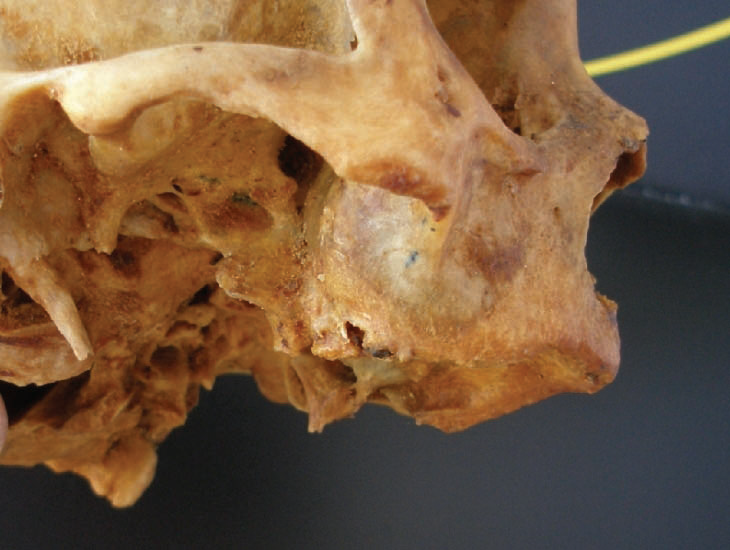
Fig1: Atrophy of alveolra processes in elderly people

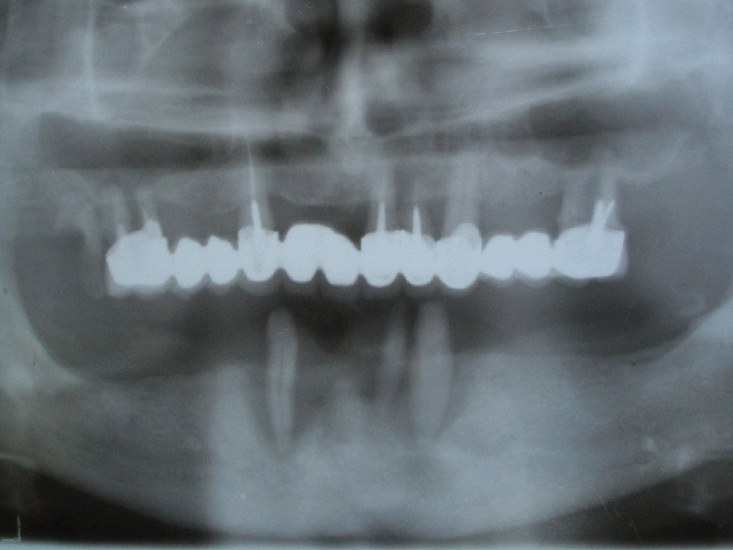
Fig2: Roenthenogram of a patient From the group under study

Fig 3: Short implant being 5 mm long

Fig 4: The areas wirh very thin bone are observed in the lateral portions of elderly people’s maxillae
RESULTS OF STUDY AND THEIR DISCUSSION
The bone remodeling process after tooth extraction leads to alveolar crest atrophy. This results in appearance of areas with very thin bone in the lateral portions of elderly people’s maxillae (Fig 4). The elderly people’s readiness for continuous care is decreasing because this population group correlates the duration of care with their supposed life span. The associated damage (duration, high prices and risk of poor results) fails to meet the patient’s requirements. The atrophy
of alveolar process caused by loss of teeth fails to entail atrophy of pterygoid processes of basal bone (Fig 5).
It is universally recognized that occlusive forces should be redistributed to opposite cortical plates, and this fact has roused us to insertion of tubercular-pterygoid implants. The implant is fixed through the tuberosity of maxilla to maxillary-basal raphe bypassing the sinus (Photo 6). Insertion of short implants but only in the area of tuberosity of maxilla may be considered as the alternative to the procedure aforementioned (Fig 7).

Fig 5: The atrophy of alveolar process caused by loss of teeth fails to entail atrophy of pterygoid processes of basal bone

Fig 6a: The implant is fixed through the tuberosity of maxilla to maxillary basal raphe bypassing the sinus

Fig 6b

Fig 7: Insertion of short implants in the area of tuberosity of maxilla
The analysis of own clinical experience being carried out as well as analysis of maxillary roentgenograms makes it possible to assert the following:
1. There are no any absolute age contraindications for insertion of implants.
2. Insertion of long or short Alpha Dent Implants into the areas with the minimum height of alveolar crest makes it possible not only to avoid supplementary financial expenditure and additional injuring when augmentation of bone tissue but substantial shortening of the terms of treatment.
3. The results of treatment obtained by us meet the requirements made by elderly people to fixed dental prosthetics on the implants (Fig 9).

Fig 8: The gingiva former has been placed

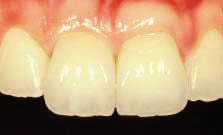
Fig 9: The results of treatment obtained by us meet the requirements made by elderly people to fixed dental prosthetics on the implants
Disclaimer from Guident
The views and opinions expressed in articles published in Guident are solely those of the authors and do not necessarily reflect the views of the editors, the editorial board or the publisher, Ivory India. Guident does not endorse any product, technique or treatment described. Clinical content is intended for qualified dental and medical professionals and is not a substitute for individual clinical judgement. Guident, its editors and the publisher accept no liability for any consequence arising from the use of information published in the journal.
How to cite this article
Dr. Lungu Valeriy Associate. Clinical Aspects of Implant Application for Treatment of Elderly Persons. Guident. 2014 Jan;7(2). Available from: https://ivoryindia.in/articles/implantology/clinical-aspects-of-implant-application-for-treatment-of-elderly-persons.html