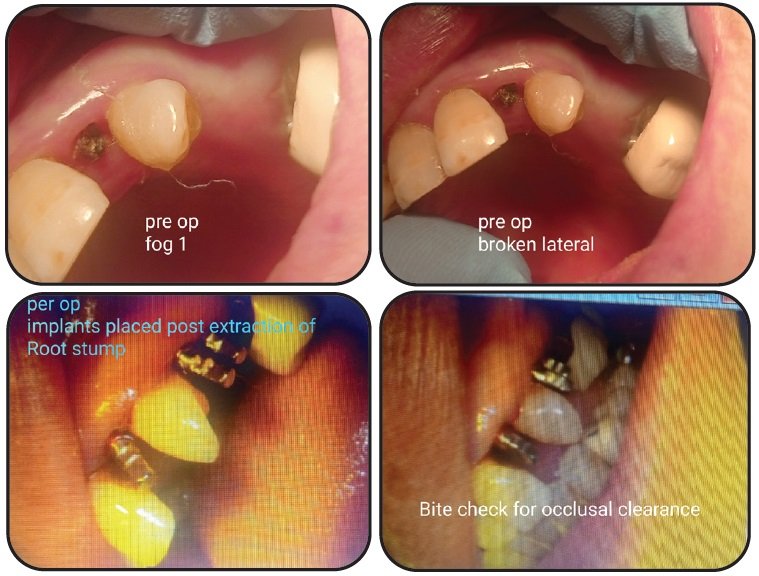
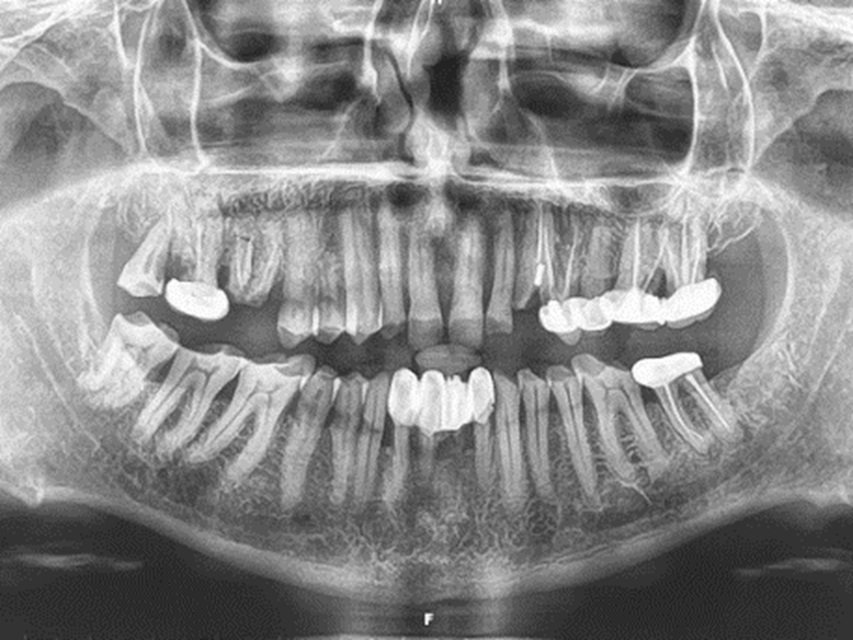
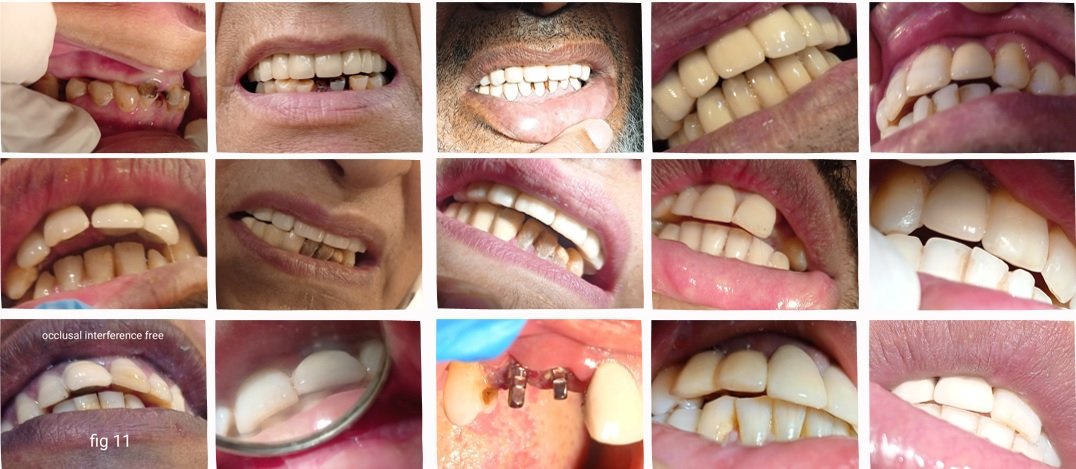
Syncrystallization and Intraoral Welding in Implantology: A Case Study
Dentonic Oral Surgery Implant Centre Rajbagh, Srinagar, J&K
INTRODUCTION
Syncrystallization and intraoral welding represent revolutionary methodologies in the field of oral implantology, particularly in immediate loading and cortico-basal implantology. These approaches address long-standing challenges in traditional implantology, such as the invasive nature of procedures, extended treatment durations, and unmet patient needs for prompt and reliable tooth replacement. This case report explores the application of these methodologies, which prioritize efficiency, predictability, and minimal invasiveness while ensuring long-term functionality and patient satisfaction.
THE EVOLUTION OF IMPLANTOLOGY
Conventional implantology underwent decades of modifications, yet certain fundamental questions persisted. Why were procedures excessively invasive? Why did simple tooth replacements require prolonged waiting periods? Why weren’t clinical methodologies aligned with urgent patient needs for aesthetic, functional, and professional reasons?
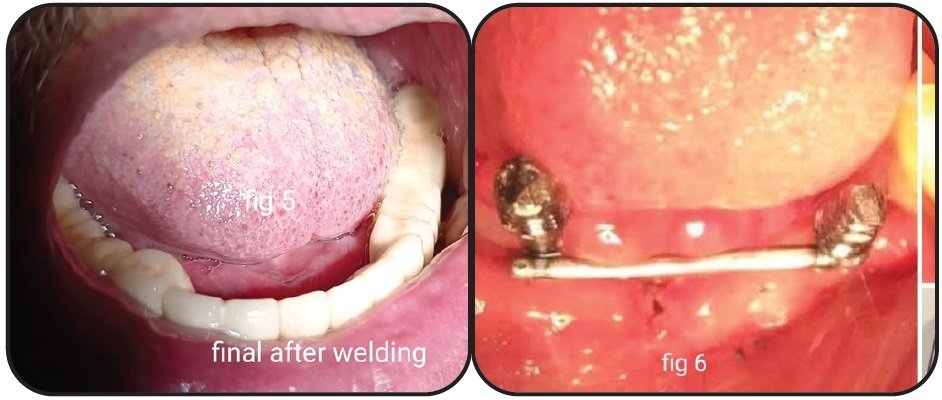
In response to these concerns, the emergence of health tourism prompted a paradigm shift. Implantologists began to think beyond traditional boundaries, exploring alternative approaches to deliver immediate, predictable solutions. Cortico-basal implantology emerged as a groundbreaking system that addressed these challenges. This methodology offered solutions rooted in scientific rigor, leveraging advanced techniques to stabilize implants and ensure seamless integration with the bone.
Syncrystallization: The Concept and Application
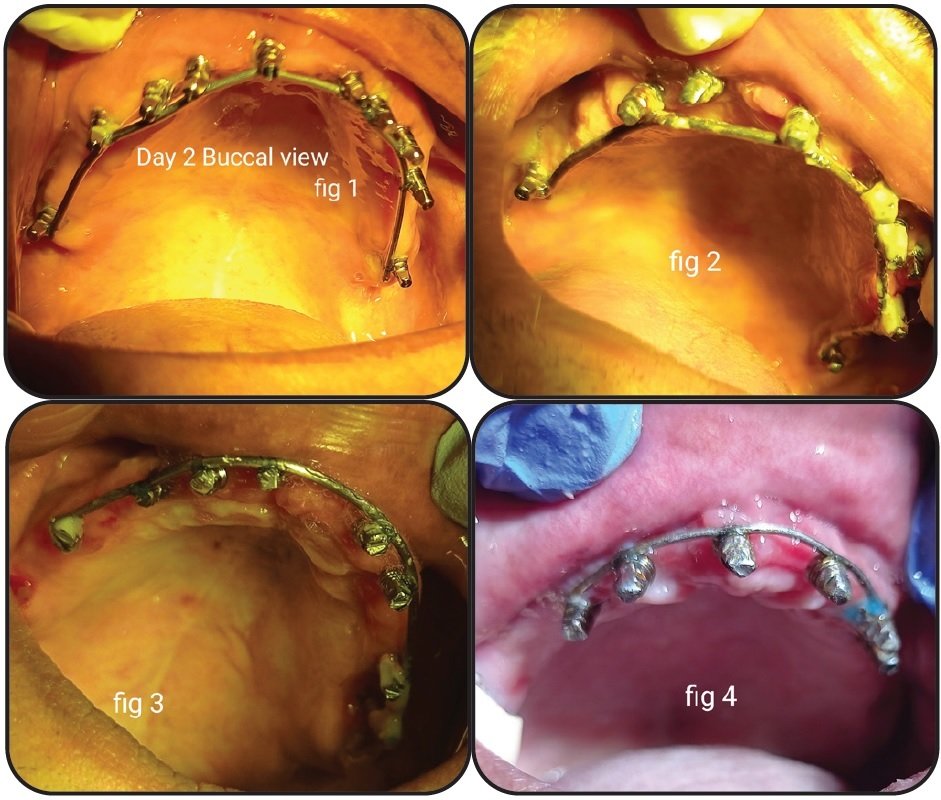
Syncrystallization refers to the non-crystal-forming union of two metals using a third ionic component as a bridge, akin to welding. This process has been adapted for intraoral use to achieve rigid stabilization of implants, a critical factor in ensuring immediate functionality such as chewing, phonetics, and professional aesthetics.
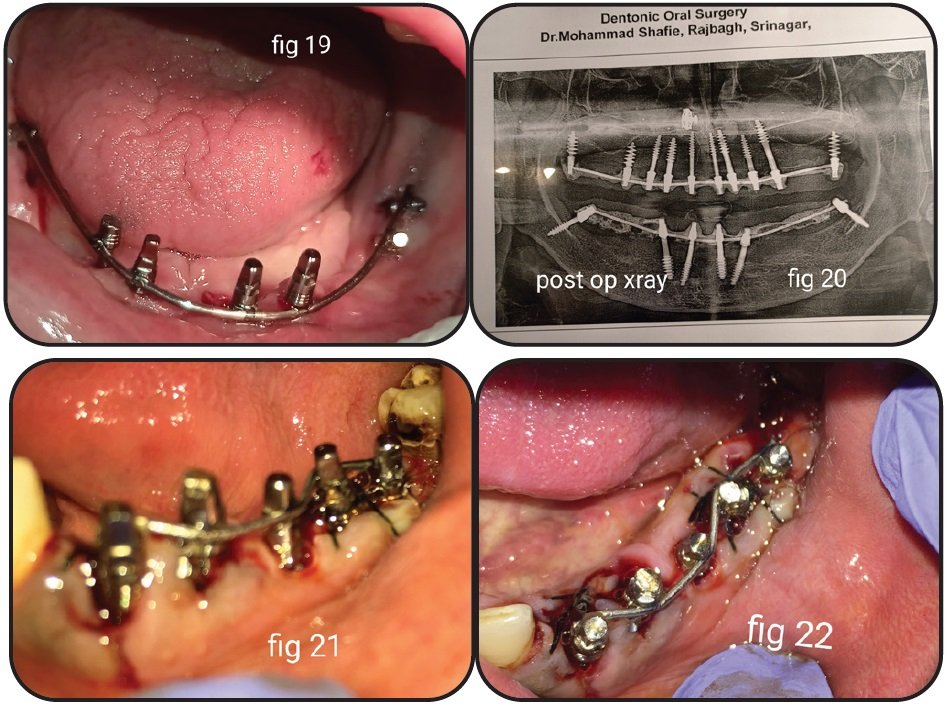
In this approach, all implants are splinted together, distributing forces uniformly and minimizing mechanical stress on individual implants. This rigid stabilization ensures that occlusal forces are coherent and do not compromise the bone or implant stability, enabling immediate functional loading.



PHYSICS OF INTRAORAL WELDING
Welding, in general, is a fabrication process that joins metals using heat, electric current, gas, laser, or magnetic force. In intraoral welding, titanium wires act as filler material to form a strong and rigid connection between implants. This high-tech method prevents implant mobility under individual loads, ensuring stability throughout the rehabilitation process until osseointegration occurs.
The process employs Continuous Twin Pulse (CTP) technology, delivering a high-intensity electric charge to the contact point within milliseconds. This eliminates the risk of sparks or overheating, making the procedure safe and efficient.
SPECIFICATIONS OF INTRAORAL WELDING
- Welding Power: 1 kW
- Frequency: 50 kHz
- Energy: 20 J – 200 J
- Pulse Duration: Milliseconds

CLINICAL OUTCOMES
When applied under stringent safety protocols, intraoral welding enables immediate functionality of implants, including scenarios involving recently extracted teeth. The results have been exceptional, allowing patients to resume normal activities almost immediately. This methodology fulfills the promise of cortico-basal implantology, delivering strong anchorage, reduced invasion, and rapid rehabilitation—a true dream come true for both patients and practitioners.
CONCLUSION
The integration of syncrystallization and intraoral welding into implantology represents a significant leap forward in meeting patient expectations. By offering rigid stabilization, reduced invasiveness, and immediate functionality, these methods have transformed the landscape of dental implantology. Continued research and refinement of these technologies will further enhance their applicability and success in diverse clinical scenarios.
Disclaimer from Guident
The views and opinions expressed in articles published in Guident are solely those of the authors and do not necessarily reflect the views of the editors, the editorial board or the publisher, Ivory India. Guident does not endorse any product, technique or treatment described. Clinical content is intended for qualified dental and medical professionals and is not a substitute for individual clinical judgement. Guident, its editors and the publisher accept no liability for any consequence arising from the use of information published in the journal.
How to cite this article
Dr. Muhammad Shafie. Syncrystallization and Intraoral Welding in Implantology: A Case Study. Guident. 2024 Dec;18(1). Available from: https://ivoryindia.in/articles/implantology/syncrystallization-and-intraoral-welding-in-implantology-a-case-study.html