Immediate Corticobasal Implant Services for Severe Anterior Crowding in a 28-Year-Old Patient: A Case Report
Dentonic Oral Surgery Implant Centre Rajbagh, Srinagar, J&K
ABSTRACT
This case report discusses the treatment of a 28-year-old female patient with severe anterior crowding, seeking rapid dental correction due to an imminent marriage. Traditional orthodontic treatment was not feasible due to time constraints. Immediate corticobasal implant services were implemented as an alternative, achieving satisfactory results within the limited timeframe.
INTRODUCTION
Dental aesthetics play a crucial role in an individual's self-esteem and social interactions, particularly during significant life events such as marriage. This case report presents the treatment approach for a young female patient who required immediate dental correction due to severe anterior crowding, with only two months available before her wedding.
CASE PRESENTATION
Patient Information:
- Name: Zehra Batool
- Age: 28
- Gender: Female
- Location: Ladakh
Chief Complaint:
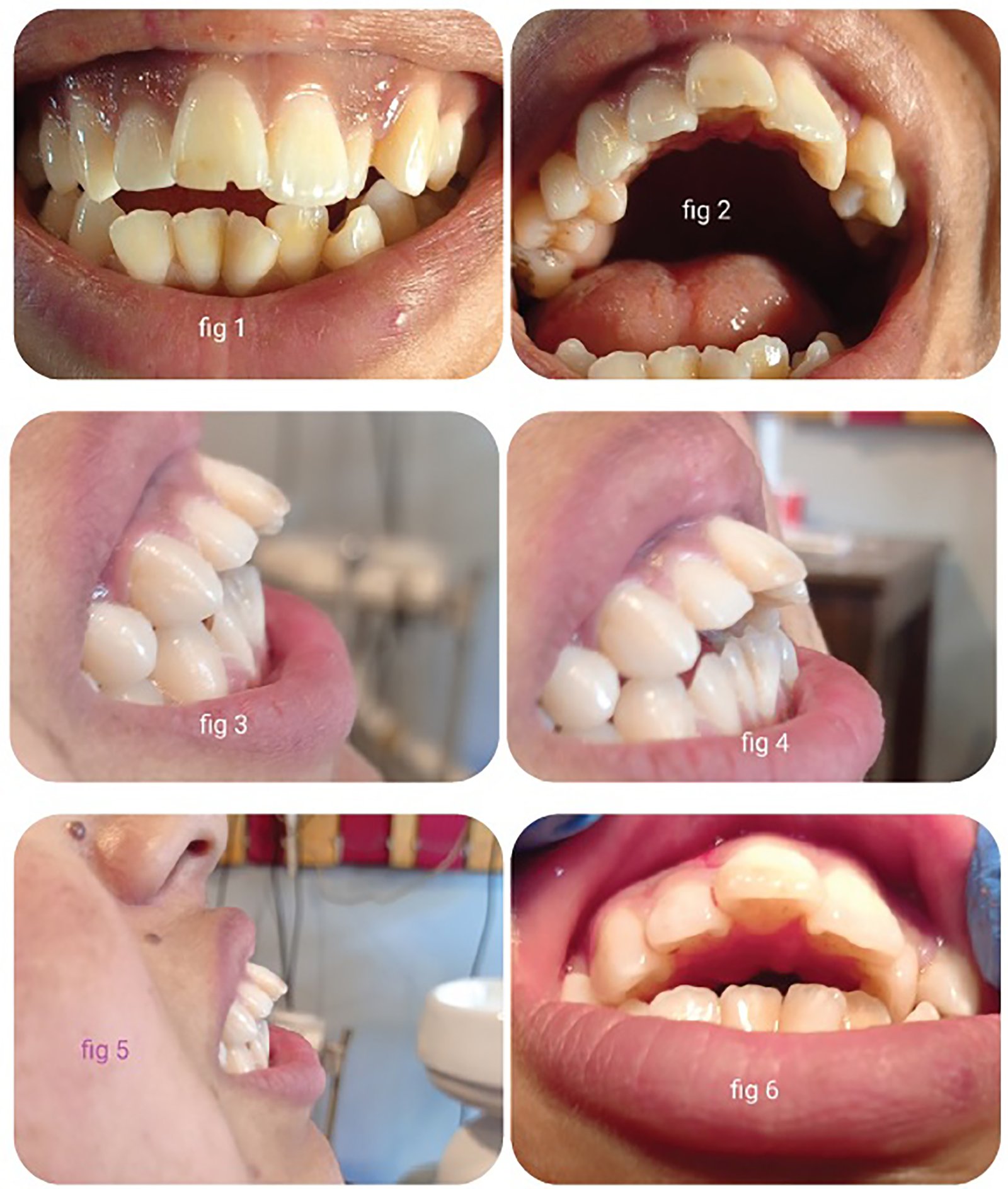
The patient presented with severe anterior crowding and expressed concerns about the non-aesthetic appearance of her teeth. These issues were particularly troubling due to her upcoming marriage in two months.
Medical and Dental History:
The patient had no significant medical history. She was referred by an orthodontist who had initially planned a treatment protocol requiring at least 18 months to correct her dental profile, which was not feasible due to the limited time available.
Clinical Findings:
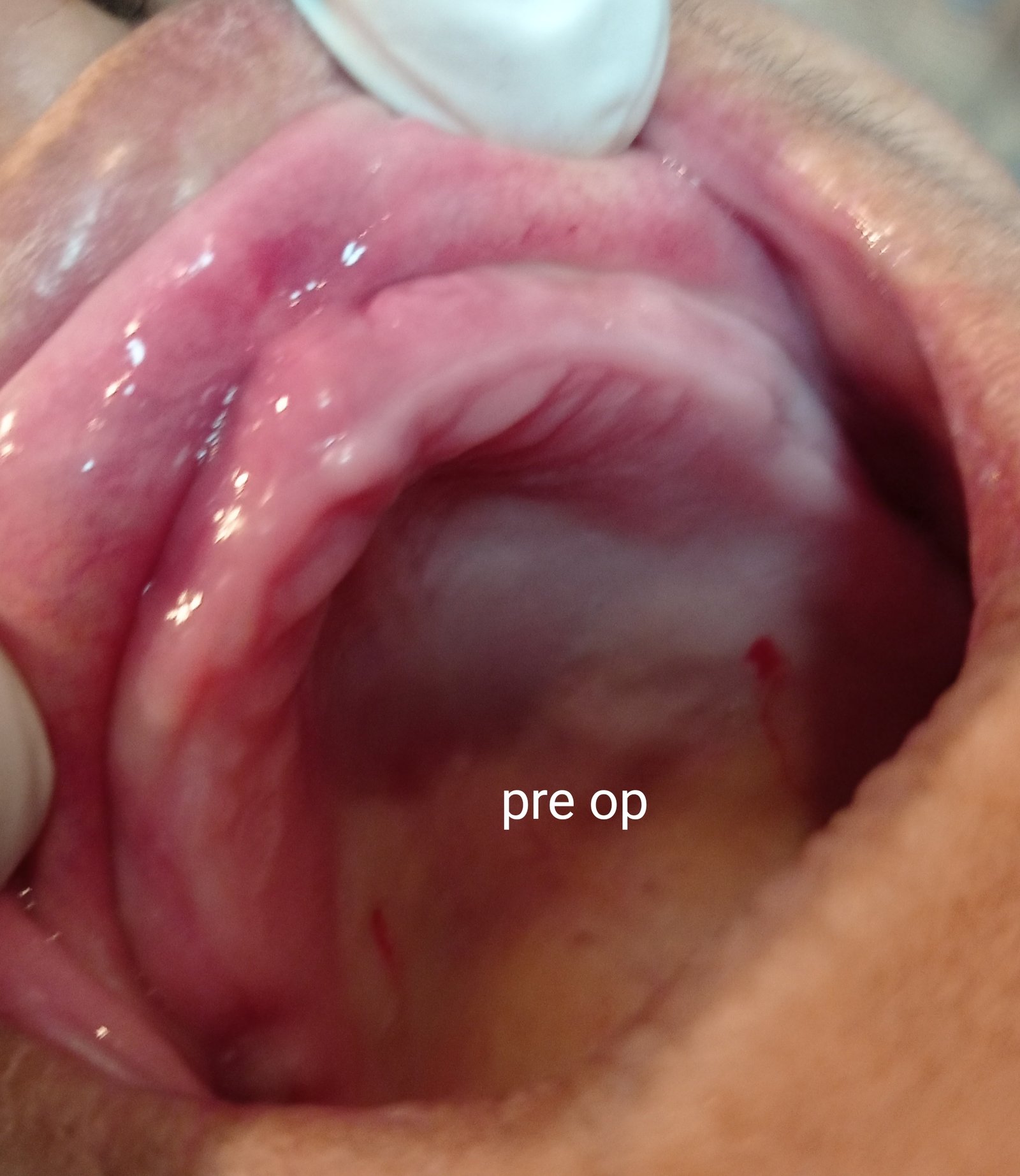
Upon examination, the patient exhibited severe anterior crowding with compromised dental aesthetics. The occlusal relationship and alignment were notably misaligned, and immediate intervention was necessary.
Diagnostic Assessment:
- Clinical examination revealed severe anterior crowding.
- Radiographic analysis confirmed the misalignment and highlighted the extent of crowding.
Treatment Plan:
Given the time constraints, traditional orthodontic treatment was deemed unsuitable. Instead, immediate corticobasal implant services were proposed, inspired by documented cases with similar issues.
Informed Consent:
The patient was informed about the proposed treatment plan, including the procedure details, benefits, risks, and alternative options. After reviewing documented cases with comparable conditions and understanding the urgency due to her upcoming marriage, the patient agreed to proceed with the immediate corticobasal implant treatment.
TREATMENT PROCEDURE
Initial Preparation:
- Detailed planning and simulation of the implant placement were conducted.
- Pre-surgical assessments and measurements were performed to ensure precision.
Implant Placement:
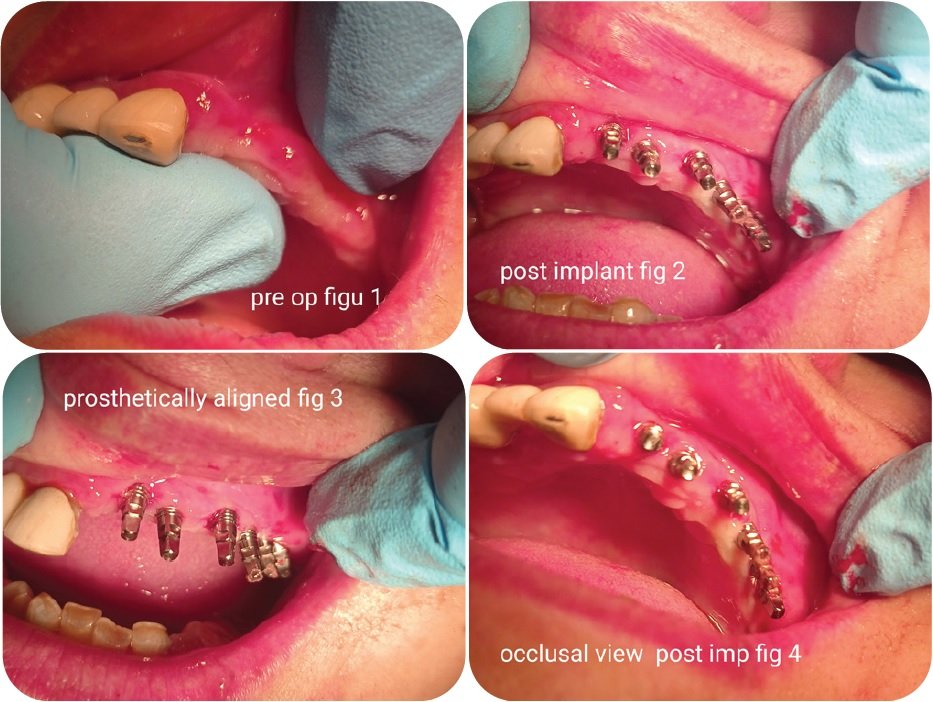
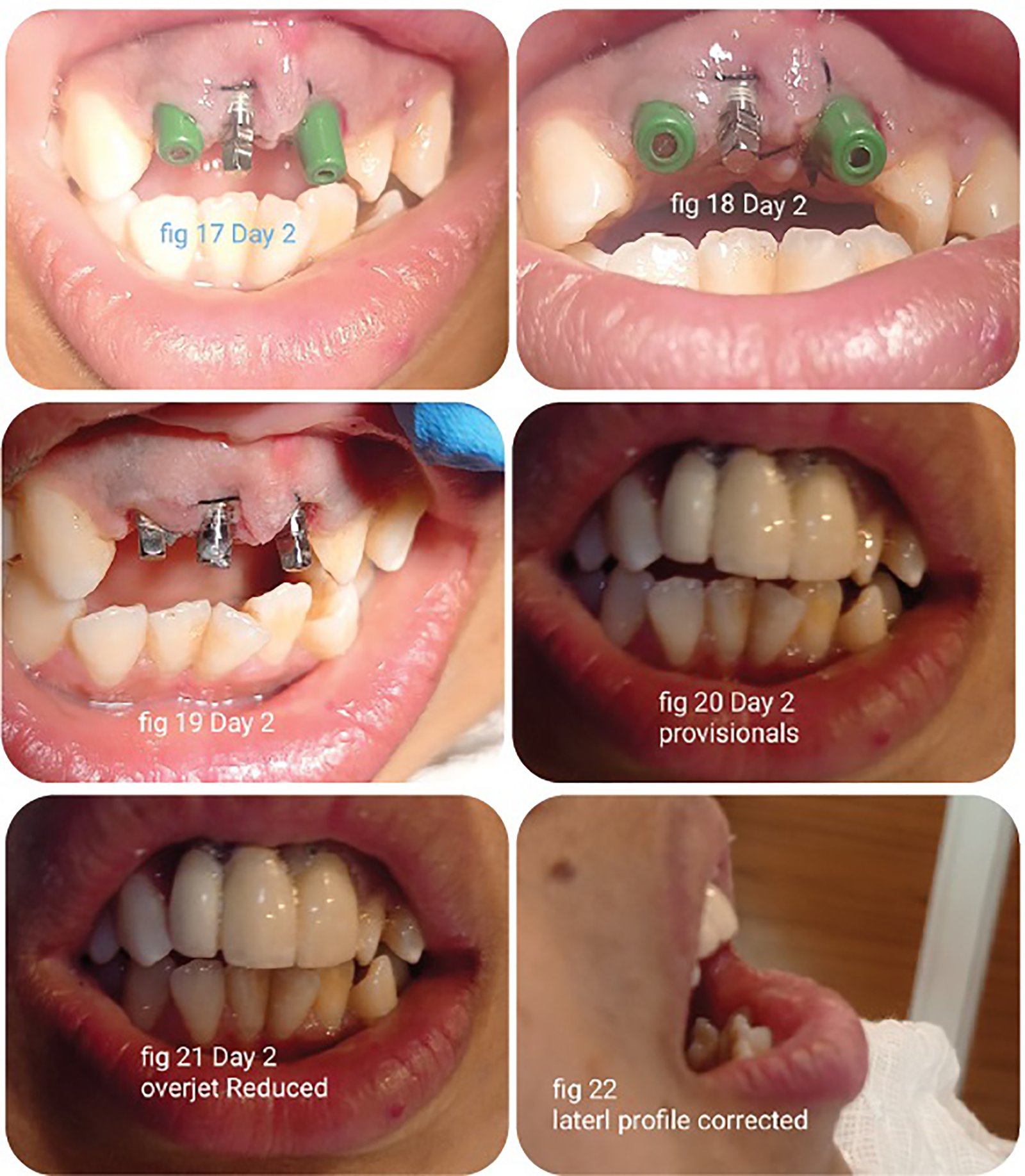
- Under local anesthesia, corticobasal implants were strategically placed to address the severe crowding.
- The procedure involved minimal invasiveness and was completed in a single session.
Post-operative Care:
- Post-operative instructions were provided to the patient, emphasizing oral hygiene and care to ensure optimal healing and implant stability.
- Follow-up appointments were scheduled to monitor progress and make necessary adjustments.


RESULTS
The immediate corticobasal implant procedure successfully corrected the anterior crowding within the limited two-month timeframe. The patient reported significant improvement in dental aesthetics and was satisfied with the outcome in time for her wedding.

DISCUSSION
This case highlights the efficacy of immediate corticobasal implants in addressing severe anterior crowding under time constraints. The approach provided a viable alternative to traditional orthodontic treatments, which would have required a significantly longer duration. The successful outcome demonstrates the potential of corticobasal implants for urgent dental corrections, particularly in scenarios where time is a critical factor.
CONCLUSION
Immediate corticobasal implant services offer a promising solution for patients requiring rapid dental corrections. This case underscores the importance of tailored treatment plans to meet individual patient needs, especially when traditional methods are impractical due to time limitations.
REFERENCES
- Relevant literature and previous case reports documenting similar treatment approaches.
- Clinical guidelines on corticobasal implant placement and management.
Acknowledgments:
We acknowledge the contributions of the dental team involved in the treatment and the patient's cooperation throughout the process.
Conflicts of Interest:
The authors declare no conflicts of interest related to this case report.
Disclaimer from Guident
The views and opinions expressed in articles published in Guident are solely those of the authors and do not necessarily reflect the views of the editors, the editorial board or the publisher, Ivory India. Guident does not endorse any product, technique or treatment described. Clinical content is intended for qualified dental and medical professionals and is not a substitute for individual clinical judgement. Guident, its editors and the publisher accept no liability for any consequence arising from the use of information published in the journal.
How to cite this article
Dr. Muhammad Shafie. Immediate Corticobasal Implant Services for Severe Anterior Crowding in a 28-Year-Old Patient: A Case Report. Guident. 2024 Jun;17(7). Available from: https://ivoryindia.in/articles/implantology/immediate-corticobasal-implant-services-for-severe-anterior-crowding-in-a-28-year-old-patient-a-case-report.html