The Enduring Influence of Wolff’s Law over a Century
Department of Orthodontics and Dentofacial Orthopedics, Akola Maharashtra
ABSTRACT
Bone, a highly adaptable tissue, undergoes a constant cycle of growth, modeling during development, and remodeling throughout one's lifetime. The impact of mechanical forces on this process is widely recognized, affecting both the bone's modeling and remodeling phases. The concept of Wolff's Law encapsulates the overall mechanism of how the skeletal tissue adjusts to its functional requirements. Julius Wolff was among the pioneering investigators who sought to delineate the intricate methods through which bone reacts to various mechanical loads. This article undertakes a comprehensive review of Wolff's Law, encompassing its inception, application, and the debates surrounding it.
Key words: Bone, Wolff, mechanical, remodeling
INTRODUCTION
Recent attention has been directed towards the morphological adjustment of bones in response to their mechanical usage.1 This interplay between the structure and function of bones prompts inquiries into fundamental physiological mechanisms.2 Anticipated progress in comprehending how bones adapt to mechanical stress holds the potential for developing targeted approaches to enhance the efficacy and longevity of implanted endoprostheses, as well as refining the therapeutic approaches for distinct bone ailments.3
The concept that bone structure is influenced by its functional role dates back to the time of Galileo and has been a longstanding observation.4 In the 1800s, several researchers made noteworthy discoveries regarding the relationship between bone structure and its role. In 1870, Julius Wolff demonstrated that bones altered by disease, upon being reintroduced to their natural functions, adopted the internal architecture typical of healthy bones. This restoration also led to secondary changes wherein the reshaped bones gradually conformed to the standard healthy bone shapes. Subsequently, Wolff conducted further experiments that not only illustrated the ability to induce abnormal bone formations by deliberately disrupting the typical static structure of bones, but also highlighted the potential for reverting the deformed bone shapes to normal by reinstating the original static structure.5
Wolff's main objective was centered around developing mathematical frameworks that could elucidate the intricacies of bone remodeling, focusing notably on the configuration and alignment of trabecular bone. Evident in his "law of bone remodeling" is the proposition that modifications in the internal structure brought about by primary modeling and subsequent secondary remodeling adhere to mathematical principles. These alterations materialize in response to initial shifts in bone shape and the distribution of stresses applied to the bone.6
The origin of the law:
Julius Wolff (Figure 1) emerged as a prominent German anatomist who left a substantial imprint on the scientific sphere during the 19th century. Born in West Prussia in 1836 (present-day Poland), his journey concluded in Berlin in 1902 after suffering from stroke. Having pursued his medical education at Friedrich Wilhelm University, he obtained his degree in 1860 and became one of the pioneering figures in the exploration of orthopedics.7
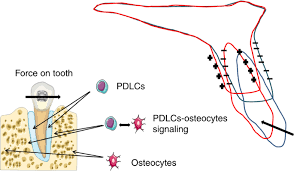
Wolff's initial research endeavors centered on the intricate composition of bones. During this period in Zurich, two other scholars, Georg Herman Von Meyer and Karl Culman, were concurrently delving into the architecture and internal makeup of bones.5 Von Meyer held expertise as an anatomist, while Culman hailed from Switzerland and was trained as an engineer. Notably, Culman devised a methodology that seemingly unveiled the paths of compressive and tensile forces intersecting at right angles within the trabecular structure, as depicted in Figure 2. During a presentation by Von Meyer concerning his bone specimens, Culman observed a remarkable similarity between the angles of trabeculae in these specimens and those present in architectural constructions.8
Wolff devised a method to examine the trabecular structure within bones during an era when X-ray technology hadn't yet emerged in the late 19th century. In lieu of X-rays, Wolff opted to slice thin sections of bone to delve into their internal arrangements.9 Wolff's theory posited that the right-angle formations in trabeculae stemmed from the interplay of compressive and tensile stresses. Through a series of papers published in the 1870s, he introduced pivotal concepts that culminated in his seminal work in 1892, titled "The Law of Bone Transformation." In developing his hypothesis, Wolff drew upon insights derived from museum specimens and dissections. This principle, often referred to as Wolff's "law," has also been dubbed the "use it or lose it" law, encapsulating the idea that bones adapt based on their mechanical utilization.10
Wolff’s Law:
Wolff's proposition suggests that the extent of stress experienced by a bone corresponds to the degree of its morphological transformation, with increased stress leading to reinforcement through deposition.11 Conversely, in the absence of stress, bones undergo weakening via resorption. Wolff's observations can be distilled into three key points:
Within a specific bone type, the arrangement of trabecular architecture consistently follows a uniform pattern across different individuals. Numerous trabeculae intersect at right angles that align with principal stress directions. In instances where a bone suffered deformation or fracture followed by healing, the typical right-angle configuration of trabeculae would be disrupted.12
In essence, Wolff's premise asserts that the internal structure of long bones is intricate, characterized by a distinct pattern of right-angle intersections. He concluded that this pattern and orientation of trabeculae undergo alteration due to the interplay of bone deposition and resorption, maintaining a delicate equilibrium dictated by mechanical loads.13 Ultimately, Wolff deduced that just as trabecular bone constantly evolves, compact cortical bone also undergoes ongoing changes and adaptation. His observations encompassed femora exhibiting healed fractures, wherein the internal trabecular architecture deviated from the norm due to the fracture event.
Only the final observation regarding the alteration of trabecular architecture after bone injury was originally introduced by Wolff himself. The initial two observations had been documented earlier, specifically in the late 1850s.14 In 2010, Richard A. Brand provided a translation of Wolff's fundamental hypothesis, stating, "The law of bone remodeling is that mathematical law according to which observed alterations in the internal architecture and external form of bone occur as a consequence of the change in shape and/or stressing of bone."[7] Brand highlights that while Wolff's "law" is formulated as a mathematical principle, he does not explicitly define the mathematical components involved. Theoretically, when trabeculae are remodeled following injury, the stresses and angles should adhere to the same pre-existing pattern in a specific manner. These anticipated patterns are expected to align with mathematical predictions, although the precise equations remain unspecified.15
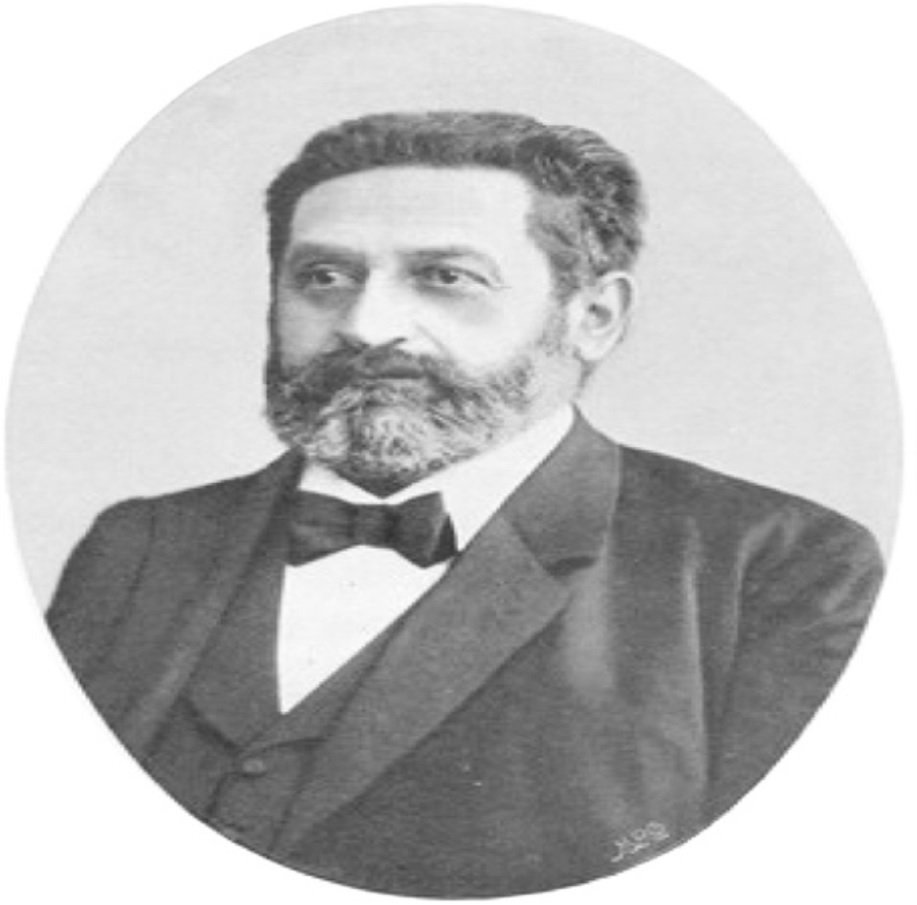
Figure 1: Portrait of Julius Wolff (from Brand, 2010)
Wolff’s Biases:
The "law" proposed by Wolff is associated with three inherent biases, each influencing his formulations in distinct ways. These biases pertain to interstitial bone growth, the role of heredity in bone development, and his conception of function.11
Interstitial Bone Growth Bias: One notable bias in Wolff's thinking was his unwavering belief, almost to the point of fixation, that bone growth paralleled the growth of soft tissues. In his view, this growth process was defined solely by cellular division and the accumulation of intracellular substances. Consequently, he vehemently dismissed the concept of bone resorption, a well-established mechanism of remodeling elucidated by Wegner and Koelliker.16 For instance, Wegner eloquently explained how the posterior border of the ramus undergoes periosteal apposition while the anterior surface of the coronoid process concurrently experiences resorption, leading to an elongation of the corpus. This viewpoint starkly contrasts with Wolff's notion of an "exclusive mechanism of interstitial bone growth," highlighting their differing perspectives.17
Heredity Bias: Wolff's perception of heredity was shaped by his observation of a unique trabecular pattern in fetal bones unaffected by load-bearing stress. This prompted him to deduce that the observed pattern was likely inherited from one's parents. As his thinking evolved, he gradually revised this claim, exempting bone repair, fractures, and pathological conditions from this inflexible perspective.13
Function Bias: Wolff's third bias was centered on his interpretation of the concept of function. His perspective markedly diverged from the modern dynamic understanding associated with actions and activities. Instead, he construed function as fixed prerequisites or constraints, drawing parallels to principles in engineering. His communication frequently drew on comparisons to structures like railway stations, bridges, and ultimately the Eiffel Tower. Through these metaphors, he equated bone with meticulously planned constructions, asserting that trabeculae served a role analogous to iron struts. Wolff steadfastly resisted adopting the idea of remodeling. He maintained that bone's function mirrored that of load-bearing struts, thereby emphasizing the essential requirement for strength in bone's design.18
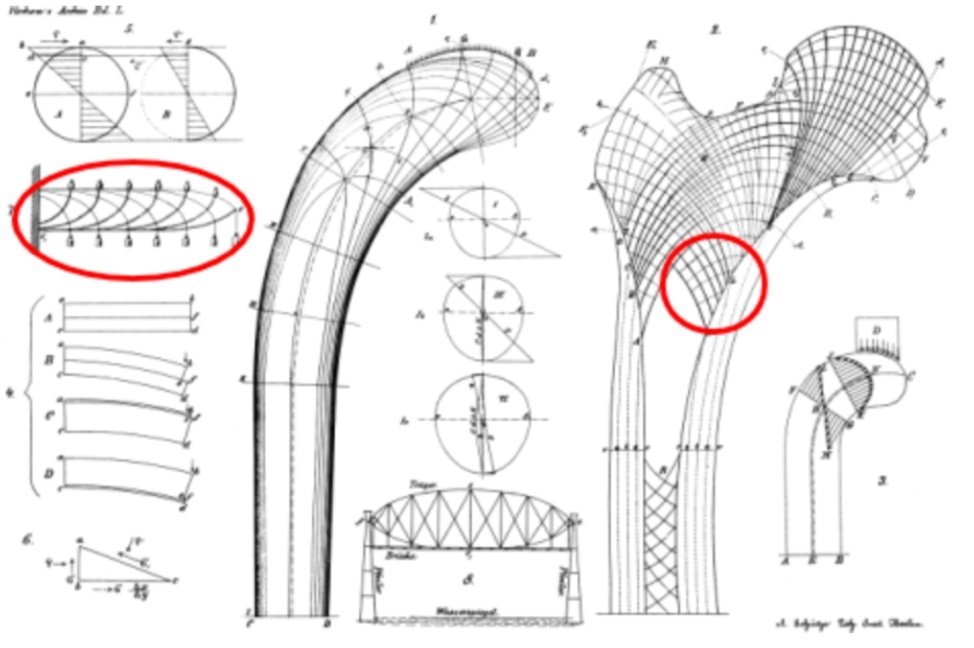
Figure 2: Wolff’s Sketches (from Skedros and Brand, 2011 and modified by C. Kasturiarachi) that show his illustration of forces and trajectories that act on the interior of bone. Wolff believed the trajectories would follow a crane like pattern (circled on the left in red). Wolff believed that trabeculae crossed at right angles to align with principle stressed (circled on the right in red).
REVIEW OF WOLFFIAN LITERATURE: A comprehensive body of literature surrounds Wolff's law, with numerous reviews exploring supplementary factors that influence the processes of bone formation, remodeling, and healing.
Bertram and Swartz on the “Law of Bone Transformation”:
In 1991, Bertram and Swartz conducted a contemporary review of Wolff's "law," delving into its foundations based on prevailing evidence. Their study encompassed four pivotal dimensions essential for grasping Wolff's "law": the trajectorial theory, bone atrophy, hypertrophy, and the processes of generation and regeneration (Bertram and Swartz, 1991). They meticulously examined the intricacies of bone remodeling, considering both inherent and external factors, such as hormonal influences, the age of bone, the site of remodeling, and distinctions between non-surgical and surgical experiments, among others. While acknowledging that mechanical loading does exert an impact on bone formation during development, these researchers found scant proof for its influence on fully developed bone.19
A Ruff Review of Wolff’s “Law”:
In a contemporary evaluation of Wolff's "law" in the 21st century, Ruff and colleagues address prevailing misconceptions associated with this principle. Their analysis serves to differentiate between the broader concept of Wolff's "law" and its mathematical rendition (2006). This broader concept, which Ruff et al. propose as functional bone adaptation, underscores the impact of mechanical loading on bone morphology (Ruff et al., 2006). However, the researchers raise several critiques concerning experimental data exploring Wolff's concepts. They highlight the challenge of discerning between pathological and normal bone responses, a distinction that proves intricate (Ruff et al., 2006).
Furthermore, Ruff et al. draw attention to the distinction between stress and strain applied to bone. Strain denotes the physical deformation or reconfiguration of bone tissue, whereas stress entails the imposition of force or load per unit cross-sectional area of bone (Ruff et al., 2006; Bertram and Swartz, 1991).19,20 Stress, manifested through loading, compression, and lateral bending, also prompts augmented bone deposition beneath the periosteum. Substantial experimental data substantiate functional bone adaptation in growing bones, but limited evidence supports the same phenomenon in mature bones. The characteristics of mature bone reflect previous mechanical loading experienced during childhood and genetic influences, contributing to the challenge of exclusively attributing bone functional adaptation to a specific period of mechanical loading. Consequently, Wolff's "law" is less well-explored in the context of mature bone.20
Studies on bone morphology:
In 2003, a team of researchers from Kent State University embarked on a study that offers insights into bone morphology and challenges Wolff's "law." Their investigation centered on a range of femurs and humeri, encompassing infant to adult stages, to unravel genetic influences on bone structure. This study refutes the conventional understanding encapsulated in Wolff's "law." The researchers conducted two distinct studies, involving long bones from the Libben site and the Hamann-Todd collection at the Cleveland Museum of Natural History.
In the first experiment conducted in 2002, the researchers focused on the crucial gluteal insertion within the femurs of both populations. Notably, they found that the Libben collection, representative of an American Indian population from northern Ohio, exhibited greater rugosity compared to the Hamann-Todd collection. To delve deeper, the team carried out a subsequent study aimed at exploring the strain history within the deltoid insertion site of the corresponding humeri. If the observed rugosity were indeed attributed to mechanical loading and activity levels, the findings should mirror similar changes in this distinct insertion site. Serrat et al. casted 22 Hamann-Todd and 28 Libben humeri ranging from infancy to sub-adulthood in 2003. The process involved ranking the rugosity of the deltoid tuberosity, which serves as the insertion site for the deltoid muscle. Additionally, bone length was considered as an indicator of bone age. By assessing whether there exists a positive correlation between the rank order of rugosity and bone length (age), the researchers aimed to ascertain if the observed differences in rugosity between populations could indeed be attributed to mechanical strain. To quantify rugosity, the humeri casts were assigned random numbers, and three independent observers conducted seriation based on the size and surface characteristics of the deltoid tuberosity.21
DISCUSSION
The current review highlights the necessity for a reevaluation of the foundational tenets underpinning Wolff's "law." It becomes evident that Wolff's assertion of bone's self-remodeling under mechanical loads does not universally apply. Importantly, Wolff's core principle concerning trabecular pattern remodeling primarily finds validation in the context of fracture remodeling. This indicates a departure from supporting the trajectorial theory (Bertram and Swartz, 1991).19
When considering long bones, the augmentation of bone with increased loading is a phenomenon confined to growing bone, as mature bone ceases to experience such changes due to the inactivation of growth plates.20 A significant portion of the literature advocating Wolff's "law" centers around sub-adult bones, with limited experimental backing for Wolff's propositions pertaining to mature bone. However, research related to spaceflight-induced atrophy does align with Wolff's law in mature bone (Bertram and Swartz, 1991; Amin, 2010).19,23
The extant experimental studies are not uniformly controlled to effectively eliminate intrinsic factors, particularly genetic components (Ruff et al., 2006).20 The significance of infant and juvenile skeletal investigations underscores the pronounced role of genetics in bone development. Analysis of infant and neonatal pelvises unveils the influence of genetic patterning on future load-bearing patterns.24 This influence is attributed to cis-regulatory elements governing gene expression throughout one's lifespan, contributing to phenotypic variation. This phenomenon was evident in the Kent State University studies by Serrat et al. (2003), where distinctive differences were noted in the rugosity of gluteal tuberosities between the Libben and Hamann-Todd populations. These findings also align with the variations observed in deltoid insertions within the two populations.21
Wolff's "law" continues to find prominence in the education and practices of researchers, anatomists, and bioarchaeologists, persisting as a notable concept in bone studies.25 The realm of bone morphology is inherently intricate, encompassing multifaceted mechanisms such as cell signaling and chemical interactions that underpin bone remodeling, elements that remain subjects of ongoing debate and ambiguity.26 As the domain of osteology undergoes continued development, a more coherent understanding of the intricate interplay between these pathways is anticipated to take shape.27
CONCLUSION
A century after Wolff's original publication of "The Law of Bone Remodeling," his ideas continue to endure the test of time. Wolff's postulation has gained recognition as an accepted phenomenon. However, a substantial body of research spanning the years has emerged, challenging the law's status and proposing that it should be regarded more as a hypothesis rather than an absolute law.
REFERENCES
- Stoltz J, Magdalou J, George D, Chen Y, Li Y, Isla ND et al. Influence of mechanical forces on bone: Introduction to mechanobiology and mechanical adaptation concept. Journal of Cellular Immunotherapy 2018;4(1):10-12.
- Florencio-Silva R, Sasso GR, Sasso-Cerri E, Simões MJ, Cerri PS. Biology of Bone Tissue: Structure, Function, and Factors That Influence Bone Cells. Biomed Res Int. 2015;2015:421746.
- Hart R T. Review and overview of net bone remodeling. Transactions on Biomedicine and Health. 1995;2:1743-3525.
- Lu T, Chang C. Biomechanics of human movement and its clinical applications. The Kaohsiung Journal of Medical Sciences 2012;28(2):S13-25.
- Wolff J. The classic: on the inner architecture of bones and its importance for bone growth. 1870. Clin Orthop Relat Res. 2010;468(4):1056-6
- Stock J. Wolff’s Law ( Bone functional Adaptation) 2018: 1-2. 10.1002/9781118584538.ieba0521.
- Brand RA. Biographical sketch: Julius Wolff, 1836-1902. Clin Orthop Relat Res. 2010;468(4):1047-9.
- Skedros, John & Brand, Richard. Biographical Sketch: Georg Hermann von Meyer (1815–1892). Clinical orthopaedics and related research. 2011;469:3072-6.
- Kivell TL. A review of trabecular bone functional adaptation: what have we learned from trabecular analyses in extant hominoids and what can we apply to fossils? J Anat. 2016;228(4):569-94.
- Teichtahl, A.J., Wluka, A.E., Wijethilake, P. et al. Wolff’s law in action: a mechanism for early knee osteoarthritis. Arthritis Res Ther 2015;17:207.
- Rowe P, Koller A, Sharma S. Physiology, Bone Remodeling. [StatPearls Publishing; 2023 Jan.: https://www.ncbi.nlm.nih.gov/books/NBK499863/
- Pathria MN, Chung CB, Resnick DL. Acute and Stress-related Injuries of Bone and Cartilage: Pertinent Anatomy, Basic Biomechanics, and Imaging Perspective. Radiology. 2016;280(1):21-38.
- Oftadeh R, Perez-Viloria M, Villa-Camacho JC, Vaziri A, Nazarian A. Biomechanics and mechanobiology of trabecular bone: a review. J Biomech Eng. 2015;137(1):0108021–215.
- Osterhoff G, Morgan EF, Shefelbine SJ, Karim L, McNamara LM, Augat P. Bone mechanical properties and changes with osteoporosis. Injury. 2016 ;47(Suppl 2):S11-20.
- Skedros JG, Baucom SL. Mathematical analysis of trabecular 'trajectories' in apparent trajectorial structures: the unfortunate historical emphasis on the human proximal femur. J Theor Biol. 2007 ;244(1):15-45. doi: 10.1016/j.jtbi.2006.06.029. Epub 2006 Jul 5. PMID: 16949618.
- Krishnan V, Vogler EA, Sosnoski DM, Mastro AM. In vitro mimics of bone remodeling and the vicious cycle of cancer in bone. J Cell Physiol. 2014;229(4):453-62.
- Ingaleshwar P, Bhosale S, Nimbulkar G, Smitha T, Deepak V, Britto F. Assessment of condyle-coronoid angle and gonial angle for gender determination: A digital panoramic study in Bagalkot population. J Oral Maxillofac Pathol. 2022;26(3):414-8.
- Dullemeijer, P. Concepts and approaches in Animal Morphology. Van Gorcum Assen,1974.
- Bertram, J. E. A., & Swartz, S. M. The ‘Law of Bone Transformation’: A CaseOf Crying Wolff? Biological Reviews 1991;66(3):245–73.
- Ruff, C., Holt, B., & Trinkaus, E. Who’s Afraid of the Big Bad Wolff?: “Wolff’s Law” and Bone Functional Adaptation. American Journal of Physical Anthropology 2006;129(4):484–98.
- Serrat, Maria, Philip L. Reno, Burt A. Rosenman, and C. Owen Lovejoy. Developmental Field Fluctuation: A Potential Basis for Skeletal Morphological Variation. Poster Presented: at Kent State University; 2003; Kent, Ohio
- Roselló-Díez A, Joyner AL. Regulation of Long Bone Growth in Vertebrates; It Is Time to Catch Up. Endocr Rev. 2015;36(6):646-80.
- Amin, S. Mechanical Factors and Bone Health: Effects of Weightlessness and Neurologic Injury. Current Rheumatology Reports 2010;12(3):170–6.
- Kornak U, Mundlos S. Genetic disorders of the skeleton: a developmental approach. Am J Hum Genet.2003;73(3):447-74.
- Wei X, Cooper D. The various meanings and uses of bone “remodeling” in biological anthropology: A review. American Journal of Biological Anthropology 2003 https://doi.org/10.1002/ajpa.24825
- Raggatt LJ, Partridge NC. Cellular and molecular mechanisms of bone remodeling. J Biol Chem. 2010;13;285(33):25103-8.
- Li Y, Calvo SE, Gutman R, Liu JS, Mootha VK. Expansion of biological pathways based on evolutionary inference. Cell. 2014; 3;158(1):213-25.
Disclaimer from Guident
The views and opinions expressed in articles published in Guident are solely those of the authors and do not necessarily reflect the views of the editors, the editorial board or the publisher, Ivory India. Guident does not endorse any product, technique or treatment described. Clinical content is intended for qualified dental and medical professionals and is not a substitute for individual clinical judgement. Guident, its editors and the publisher accept no liability for any consequence arising from the use of information published in the journal.
How to cite this article
Dr. Yash Santosh Goenka, Dr. Sameer Parhad, Dr. Meher Ingole, Dr. Rajesh Ramdasji Kambe Dental College Kanheri. The Enduring Influence of Wolff’s Law over a Century. Guident. 2025 Apr;18(5). Available from: https://ivoryindia.in/articles/orthodontics/the-enduring-influence-of-wolff-s-law-over-a-century.html