Use of Artificial Intelligence in Clinical Orthodontics
Department of Orthodontics and Dentofacial Orthopedics, Akola (Mah) India, Department of Obstetrics and Gynaecology, Government Medical College and Hospital, Buldhana, India
INTRODUCTION
In recent years, dentistry—and orthodontics in particular—has undergone a remarkable transformation, largely driven by advances in technology. Among these, artificial intelligence (AI) stands out as one of the most revolutionary tools. Once confined to the realm of science fiction, AI is now woven into the fabric of everyday life, and healthcare has been one of its most promising beneficiaries. Orthodontics, a specialty that relies heavily on precise measurements, detailed imaging, and carefully tailored treatment planning, is uniquely suited for AI applications.
AI in orthodontics is no longer limited to experimental projects or research laboratories. Today, it is an active partner in clinical decision-making, diagnosis, treatment planning, growth assessment, and even in predicting treatment outcomes. It enhances efficiency, reduces human error, and opens possibilities for more personalized care. While still in its developmental stages in some areas, AI has already proven that it can speed up processes, cut costs, and improve accuracy.
This chapter brings together the current knowledge on AI in orthodontics, exploring how it works, where it is applied, the benefits it offers, and the challenges that must be addressed before it becomes fully integrated into routine practice.

UNDERSTANDING ARTIFICIAL INTELLIGENCE
At its core, AI is the ability of machines to mimic human intelligence by learning, reasoning, and making decisions. The earliest concepts of AI emerged in the mid-20th century with the Turing machine, followed by John McCarthy’s introduction of the term “artificial intelligence” in 1956. Since then, the field has evolved dramatically, moving from simple rule-based systems to highly sophisticated learning models.
Two main branches of AI are particularly relevant to orthodontics. The first is symbolic AI, often described as “good old-fashioned AI,” which uses structured rules and logic. This was once dominant but proved limited for complex medical tasks. The second, and more powerful, branch is machine learning (ML). ML enables computers to learn patterns from large amounts of data and improve their performance over time.
Within ML lies deep learning (DL), powered by artificial neural networks designed to function like the human brain. Deep learning, particularly through convolutional neural networks (CNNs), has become central to medical imaging and orthodontic applications. These networks can analyze X-rays, cone-beam computed tomography (CBCT), or even photographs with remarkable accuracy, identifying patterns and anomalies faster and often more reliably than humans.
AI can be grouped into three types of learning approaches:
- Supervised learning – the system is trained on labeled data and learns to predict outcomes.
- Unsupervised learning – the system identifies hidden patterns without pre-labeled outcomes.
- Reinforcement learning – the system improves by trial and error, guided by rewards and penalties.
In orthodontics, these methods are applied in everything from cephalometric tracing to deciding whether extractions are needed.
APPLICATIONS OF AI IN ORTHODONTICS
1. Diagnosis
Precise diagnosis is fundamental in orthodontics, and AI has become a powerful tool in this area. Traditional methods—manual tracings, visual exams, and plaster models—are time-intensive and subject to variability. AI helps streamline and standardize these processes.
- Cephalometric Analysis: AI can automatically identify anatomical landmarks on lateral cephalograms, producing accurate measurements in seconds. Its performance rivals that of seasoned orthodontists and extends to 3D imaging like CBCT, enhancing skeletal evaluations.
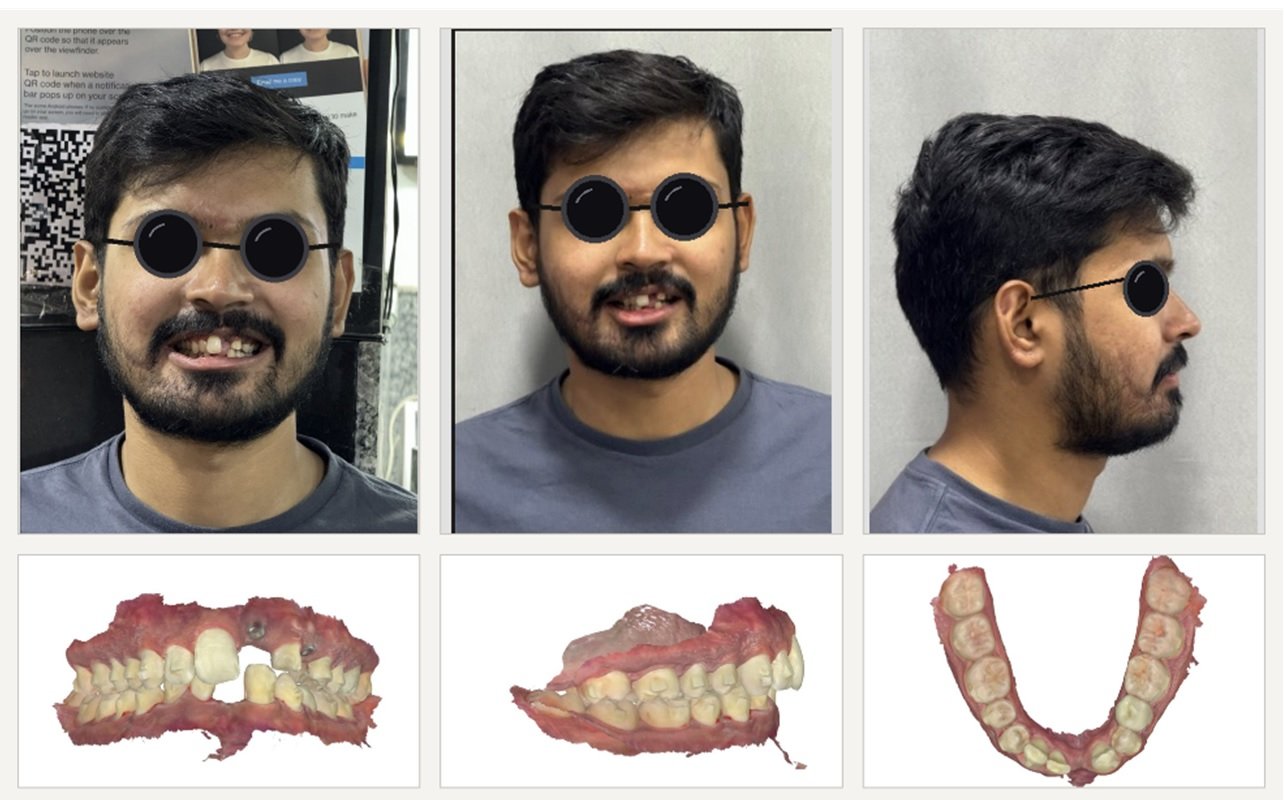
- Dental Analysis: AI can assess intraoral scans and photos to detect issues such as crowding, spacing, and bite irregularities. With the widespread use of 3D scanners, AI can segment teeth and arches, offering detailed measurements and arch-length evaluations with minimal manual input.
- Facial Analysis: AI tools can analyze facial symmetry and proportions using 2D and 3D images. These systems are evolving to provide more objective assessments of facial aesthetics, which have traditionally been subjective.
- Growth and Development Assessment: AI can evaluate skeletal maturity by analyzing hand-wrist or cervical vertebrae radiographs. Its accuracy is comparable to expert radiologists, helping orthodontists determine optimal treatment timing.
2. Treatment Planning
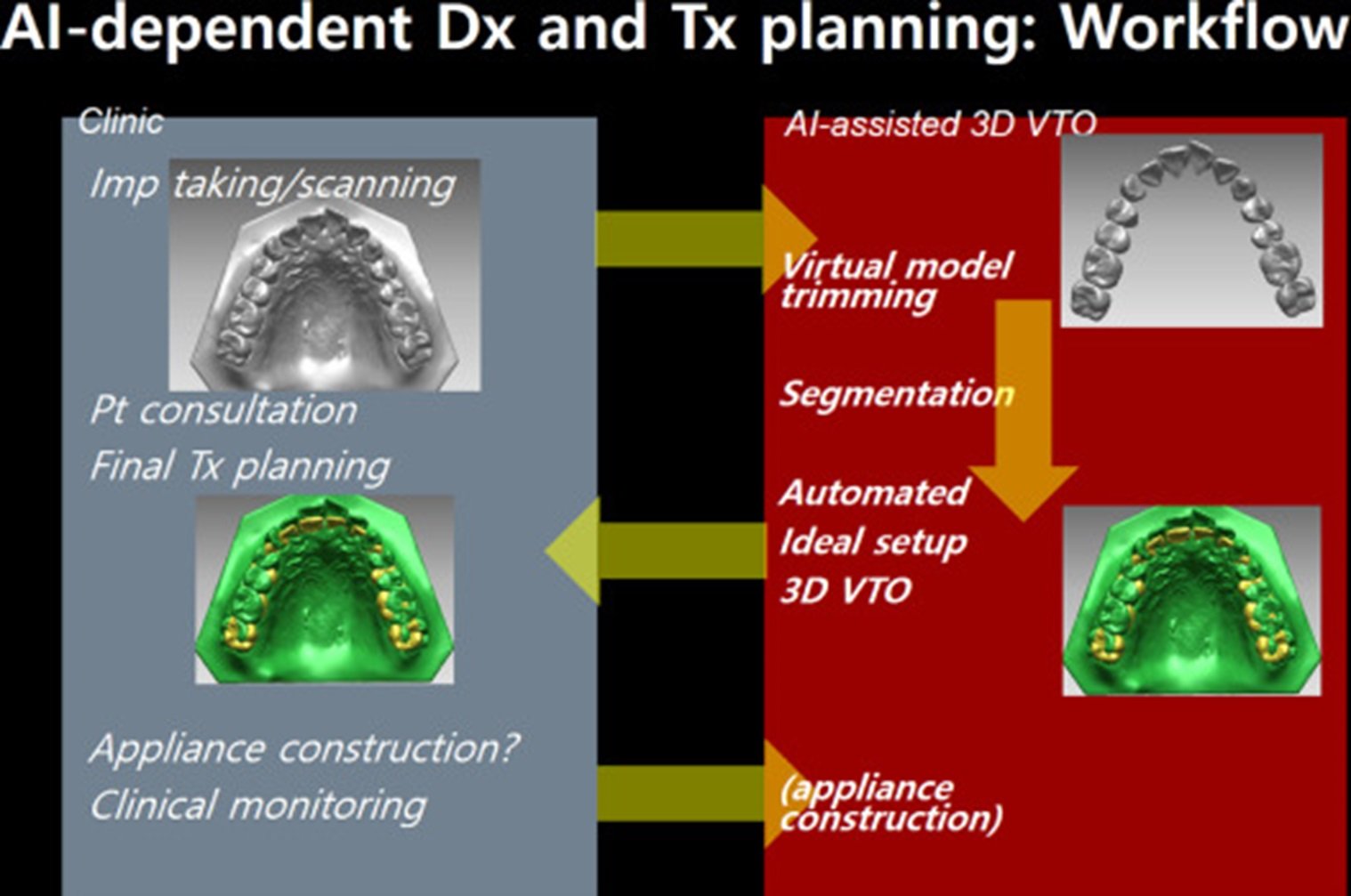
After diagnosis, orthodontists must make complex decisions regarding extractions, appliances, anchorage, and surgery. AI supports these decisions by leveraging large datasets to generate predictive models.
- Extraction Decisions: AI can analyze clinical records and imaging data to predict the need for extractions with high accuracy. Some systems even recommend extraction patterns and anchorage strategies, aiding clinicians in their decision-making.
- Orthognathic Surgery Planning: For patients with significant skeletal discrepancies, AI can simulate surgical outcomes and facial changes. These simulations help both practitioners and patients visualize potential results and guide treatment planning.
- Treatment Outcome Prediction: AI can forecast tooth movement, treatment duration, and post-treatment stability based on historical data. This helps set realistic expectations and allows for more personalized treatment plans.
3. Clinical Practice
AI is also transforming everyday operations in orthodontic clinics.
- Remote Monitoring: AI-powered apps enable patients to submit photos during treatment. These systems can detect issues like broken brackets or poorly fitting aligners, reducing the need for in-person visits.
- Practice Guidance and Documentation: AI can automate record-keeping, generate clinical notes, and assist with charting. This improves efficiency and ensures consistent documentation.
- Tele-orthodontics: The rise of virtual consultations—especially post-COVID—has been supported by AI tools that facilitate remote evaluations and patient monitoring.
BENEFITS OF AI IN ORTHODONTICS
AI integration offers several clear advantages:
- Speed and Efficiency – Tasks like cephalometric tracing are completed in seconds, saving valuable time.
- Accuracy and Consistency – Reduces human error and ensures uniform results across practitioners.
- Accessibility – Mobile AI tools extend orthodontic expertise to remote and underserved areas.
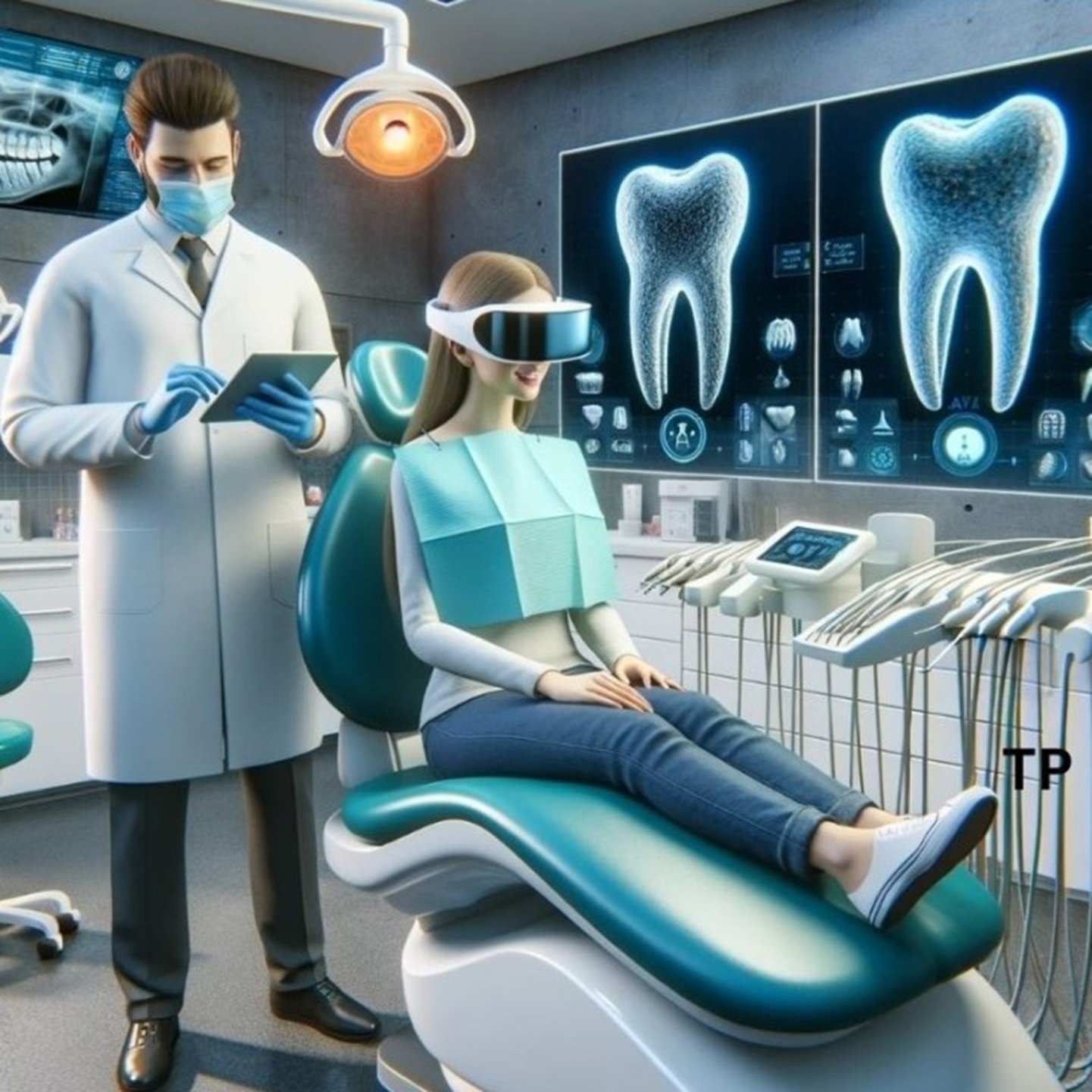
- Patient Engagement – AI-powered visuals help patients better understand their treatment plans.
- Cost-Effectiveness – Automating routine tasks lowers operational costs and reduces reliance on manual labor.
CHALLENGES AND LIMITATIONS
Despite its potential, AI in orthodontics faces several hurdles:
- Data Dependence: AI systems need large, high-quality datasets. Differences in imaging methods and patient demographics can impact performance.
- Need for Supervision: AI is not flawless. Clinicians must still verify its outputs to ensure accuracy.
- Ethical and Privacy Concerns: Protecting patient data and securing informed consent are critical when using AI tools.
- Generalization Issues: AI models trained on specific populations may not perform well across diverse groups.
- Professional Acceptance: Some practitioners may be hesitant to adopt AI, fearing it could undermine clinical judgment.
FUTURE PERSPECTIVES
Looking ahead, AI is expected to become even more integrated into orthodontic care. Advances in 3D imaging, augmented reality, and cloud-based platforms will expand its capabilities. The concept of personalized orthodontics—where AI tailors treatment to individual preferences and lifestyles—is on the horizon.
AI may also play a role in education, helping train future orthodontists through simulations and predictive models. In underserved areas, AI could support general dentists in delivering orthodontic care, reducing disparities in access.
Ultimately, AI is not here to replace orthodontists—it’s here to empower them. The future of orthodontics lies in a collaborative approach, combining human expertise with machine intelligence to deliver exceptional care.
CONCLUSION
Artificial intelligence is reshaping orthodontics, from the way diagnoses are made to how treatments are planned and monitored. It offers speed, accuracy, and accessibility, making orthodontic care more efficient and patient-centered. At the same time, challenges related to data quality, ethics, and professional trust must be addressed before AI reaches its full potential.
Orthodontics has always been a field that balances science with artistry, precision with judgment. AI does not replace this balance but enhances it, providing clinicians with sharper tools while preserving the essential role of human expertise. As technology continues to evolve, AI is poised not just to modernize orthodontics but to transform it into a specialty that is more predictive, personalized, and accessible than ever before.
REFERENCES
- Wang H., Minnema J., Batenburg K.J., Forouzanfar T., Hu F.J., Wu G. Multiclass CBCT Image Segmentation for Orthodontics with Deep Learning. J. Dent. Res. 2021;100:943–949. doi: 10.1177/00220345211005338. [DOI] [PMC free article] [PubMed] [Google Scholar]
- Subramanian A.K., Chen Y., Almalki A., Sivamurthy G., Kafle D. Cephalometric Analysis in Orthodontics Using Artificial Intelligence-A Comprehensive Review. BioMed Res. Int. 2022;2022:1880113. doi: 10.1155/2022/1880113. [DOI] [PMC free article] [PubMed] [Google Scholar]
- Ayidh Alqahtani K., Jacobs R., Smolders A., Van Gerven A., Willems H., Shujaat S., Shaheen E. Deep Convolutional Neural Network-Based Automated Segmentation and Classification of Teeth with Orthodontic Brackets on Cone-Beam Computed-Tomographic Images: A Validation Study. Eur. J. Orthod. 2023;45:169–174. doi: 10.1093/ejo/cjac047. [DOI] [PubMed] [Google Scholar]
- Rathi S., Chaturvedi S., Abdullah S., Rajput G., Alqahtani N.M., Chaturvedi M., Gurumurthy V., Saini R., Bavabeedu S.S., Minervini G. Clinical Trial to Assess Physiology and Activity of Masticatory Muscles of Complete Denture Wearer Following Vitamin D Intervention. Medicina. 2023;59:410. doi: 10.3390/medicina59020410. [DOI] [PMC free article] [PubMed] [Google Scholar]
- Inchingolo A.D., Malcangi G., Semjonova A., Inchingolo A.M., Patano A., Coloccia G., Ceci S., Marinelli G., Di Pede C., Ciocia A.M., et al. Oralbiotica/Oralbiotics: The Impact of Oral Microbiota on Dental Health and Demineralization: A Systematic Review of the Literature. Children. 2022;9:1014. doi: 10.3390/children9071014. [DOI] [PMC free article] [PubMed] [Google Scholar]
- Inchingolo F., Hazballa D., Inchingolo A.D., Malcangi G., Marinelli G., Mancini A., Maggiore M.E., Bordea I.R., Scarano A., Farronato M., et al. Innovative Concepts and Recent Breakthrough for Engineered Graft and Constructs for Bone Regeneration: A Literature Systematic Review. Materials. 2022;15:1120. doi: 10.3390/ma15031120. [DOI] [PMC free article] [PubMed] [Google Scholar]
- Bernardi S., Mummolo S., Tecco S., Continenza M.A., Marzo G. Histological Characterization of Sacco’s Concentrated Growth Factors Membrane. Int. J. Morphol. 2017;35:114–119. doi: 10.4067/S0717-95022017000100019. [DOI] [Google Scholar]
- Marchetti E., Tecco S., Caterini E., Casalena F., Quinzi V., Mattei A., Marzo G. Alcohol-Free Essential Oils Containing Mouthrinse Efficacy on Three-Day Supragingival Plaque Regrowth: A Randomized Crossover Clinical Trial. Trials. 2017;18:154. doi: 10.1186/s13063-017-1901-z. [DOI] [PMC free article] [PubMed] [Google Scholar]
- Quinzi V., Saccomanno S., Manenti R.J., Giancaspro S., Coceani Paskay L., Marzo G. Efficacy of Rapid Maxillary Expansion with or without Previous Adenotonsillectomy for Pediatric Obstructive Sleep Apnea Syndrome Based on Polysomnographic Data: A Systematic Review and Meta-Analysis. Appl. Sci. 2020;10:6485. doi: 10.3390/app10186485. [DOI] [Google Scholar]
- Crincoli V., Anelli M.G., Quercia E., Piancino M.G., Di Comite M. Temporomandibular Disorders and Oral Features in Early Rheumatoid Arthritis Patients: An Observational Study. Int. J. Med. Sci. 2019;16:253–263. doi: 10.7150/ijms.28361. [DOI] [PMC free article] [PubMed] [Google Scholar]
- Crincoli V., Di Comite M., Guerrieri M., Rotolo R.P., Limongelli L., Tempesta A., Iannone F., Rinaldi A., Lapadula G., Favia G. Orofacial Manifestations and Temporomandibular Disorders of Sjögren Syndrome: An Observational Study. Int. J. Med. Sci. 2018;15:475–483. doi: 10.7150/ijms.23044. [DOI] [PMC free article] [PubMed] [Google Scholar]
- Crincoli V., Scivetti M., Di Bisceglie M.B., Pilolli G.P., Favia G. Unusual Case of Adverse Reaction in the Use of Sodium Hypochlorite during Endodontic Treatment: A Case Report. Quintessence Int. 2008;39:e70–e73. [PubMed] [Google Scholar]
- Crincoli V., Ballini A., Fatone L., Di Bisceglie M.B., Nardi G.M., Grassi F.R. Cytokine Genotype Distribution in Patients with Periodontal Disease and Rheumatoid Arthritis or Diabetes Mellitus. J. Biol. Regul. Homeost. Agents. 2016;30:863–866. [PubMed] [Google Scholar]
- Picchiarelli A. Artificial Intelligence in Healthcare: Opportunities and Risks. Psychiatr. Danub. 2023;35:90–92. [PubMed] [Google Scholar]
- Favia G., Tempesta A., Limongelli L., Crincoli V., Piattelli A., Maiorano E. Metastatic Breast Cancer in Medication-Related Osteonecrosis Around Mandibular Implants. Am. J. Case Rep. 2015;16:621–626. doi: 10.12659/AJCR.894162. [DOI] [PMC free article] [PubMed] [Google Scholar]
- Isacco C.G., Ballini A., De Vito D., Nguyen K.C.D., Cantore S., Bottalico L., Quagliuolo L., Boccellino M., Di Domenico M., Santacroce L., et al. Rebalancing the Oral Microbiota as an Efficient Tool in Endocrine, Metabolic and Immune Disorders. Endocr. Metab. Immune Disord.-Drug Targets. 2021;21:777–784. doi: 10.2174/22123873MTA4CNjQs0. [DOI] [PubMed] [Google Scholar]
Disclaimer from Guident
The views and opinions expressed in articles published in Guident are solely those of the authors and do not necessarily reflect the views of the editors, the editorial board or the publisher, Ivory India. Guident does not endorse any product, technique or treatment described. Clinical content is intended for qualified dental and medical professionals and is not a substitute for individual clinical judgement. Guident, its editors and the publisher accept no liability for any consequence arising from the use of information published in the journal.
How to cite this article
Dr. Yash Santosh Goenka, Dr. Rajesh Ramdasji Kambe Dental College Kanheri, Dr. Priyanka Goenka. Use of Artificial Intelligence in Clinical Orthodontics. Guident. 2026 Nov;19(12). Available from: https://ivoryindia.in/articles/orthodontics/use-of-artificial-intelligence-in-clinical-orthodontics.html