COVID! a Lockdown of Orthodontic Treatment
Department of Orthodontics and Dentofacial Orthopedics, Mahatma Gandhi Dental College and Hospital, Jaipur, Rajasthan.
ABSTRACT
Due to the sudden outbreak of covid-19 there was a partial or complete lockdown in the country. So most of the hospitals and clinics were closed, which resulted in a lot of difficulty for orthodontic patients. so the aim of this study is to assess the problems faced by orthodontic patient and how they overcame it. An online questionnaire survey was distributed to 151 patients through google forms. In this study we observed that majority of the patients suffered from a lot of issues which they tried resolving by talking to their orthodontists. It was seen that tele-orthodontics is found to be advantageous for patients going under orthodontic treatment during pandemic.
Keywords: COVID-19, questionnaire-based study, orthodontic patients, teleorthodontics
INTRODUCTION
At the end of 2019, there was an outbreak of 2019 novel coronavirus. Different steps were taken by affected country to face this pandemic and to control the spread of disease, from partial to complete lockdown. Most of the dental hospital and clinics were closed, which caused a lot of problems for the orthodontic patient. Although orthodontic treatment is not considered as an emergency but it is a long term treatment procedure consisting of regular follow-ups or montly appointments. Thus, orthodontic appointments were temporarily stopped without any prior notice or anticipation due to covid-19 outbreak.
There are some questions that remain unanswered, such as whether patients recognise the value of routine checkups, or the reasons for fear or inconveniences to the patients undergoing orthodontic treatment during a time when they are completely confined to the confines of their homes are some unexplored areas.
This survey is to assess the problems faced by the patients due to lockdown and they tried to overcome.
MATERIALS AND METHOD
This is a cross-sectional, questionnaire based study performed using Google forms. The target population was patients (mean age 26 years) undergoing orthodontic treatment during lockdown.
It was structured into 3 section, section 1 consist of general information like name, age, gender, or whether the patients were regular in their appointments. There are information regarding the patients’ appointment during lockdown, whether they talked to their orthodontist or were going for their appointments. 2nd section consist of problems faced by the patient. This section is further divided into the type of appliance and problems caused by them. The last section consists of the ways patients used to overcome their issues.
This questionnaire was uploaded using website and the generated link was send to all those patients who were undergoing treatment during lockdown.
All the responses were anonymous and the data was kept confidential.
Sample size: The sample size was calculated using Openepi software (v3.0) at 95% confidence interval and 80% power in reference to the study conducted by Valekar S et al.
n = (Z α/2) 2 P (1 – p)/d2
where,
Z α/2 = 1.96,
P= 11% attitude of patients towards orthodontic treatment during lockdown, and
d = 5% of marginal error was taken.
The minimum sample size obtained was 151 participants.
Hence a total of 161 patients were included in this study.
RESULT
A total of 161 patients were included in the survey. Out of which 10 participants didn’t complete the form. Hence 151 total participants responded. The mean age of participants was 26±2 years.
Responses from section-1:
It shows 86% of the patients were regular for their appointments. From the data, 39% of patient tried to be regular for their appointments. During lockdown, while 56% patients tried to resolve their issues by talking to their orthodontist, there were remaining 36% who did not find online consultation helpul. With the lockdown, most of the patient feared that their treatment time will increase. Hence 54% patients thought of stopping their treatment.
From section-2:
As patients were undergoing orthodontic treatment, due to sudden lockdown, they suffered from many problems.
In case fixed orthodontic appliance, there were several issue such as extended ends of the wire which can cause ulcers, etc. it was reported that patients even complained of swelling in the gums or there was pain in their mouth.
These are some of the charts telling about the problems faced by patients.
1. Exposed wire ends

Chart 1- Exposed wire ends
2. Gum swelling

Chart 2- Gum swelling
3. Broken brackets

Chart 3- Broken brackets
4. Ulcers

Chart 4- Ulcers
5. Orthodontic pain

Chart 5- Orthodontic pain
In case of removable appliance, 44% patients suffered from loose appliances, and 32% complained from broken parts.
Responses from section 3
It shows how patients dealt with their problems. Majority discussed the problems with their orthodontist by sending pictures or talking about it.
But there were some patients who instead of talking to their orthodontist, referred to other methods
1. Use of ortho wax and ulcer gels

Chart 6- Use of ortho wax and ulcer gel
2. Cutting the wire using scissors or nail-cutter
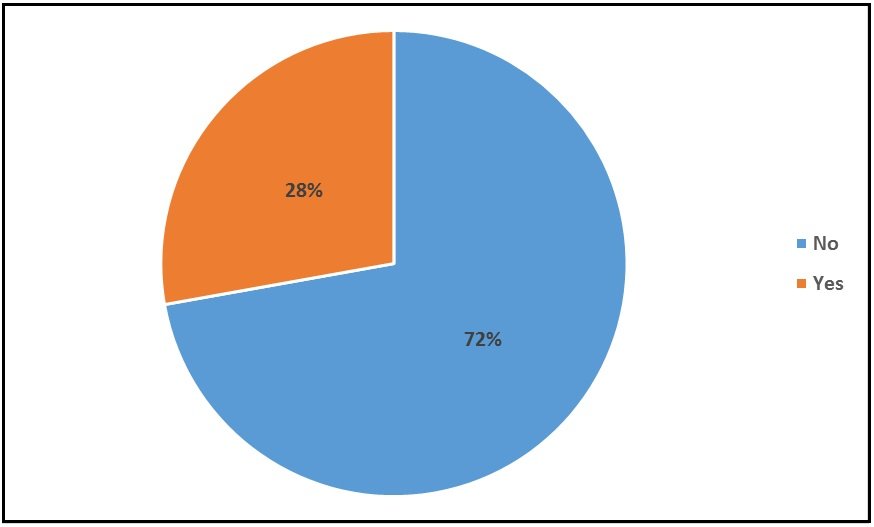
Chart 7- Cutting the wire using scissors or nail-cutter
Due to the lockdown, some patients were not able to contact their orthodontists and suffered from discomfort. Hence 18% of the patients thought of discontinuing the treatment.
From the outbreak of covid-19, 43% patients might want to consider tele-orthodontics as a regular procedure to be followed in clinics.

Chart 8- Tele-orthodontics
DISCUSSION
Globally, the COVID-19 pandemic has been the main concern among society since many limitations have occurred to the everyday life. Since orthodontics is an elective and aesthetic procedure, patients were hesitant to come to the clinics or hospital due to high infection risk.1 This study aimed to assess the problems faced by orthodontic patients and we tried to make them comfortable and solve minor problems with the help of video calls or on call appointments so they can help themselves.
The problems faced by the patients were extended ends of the wire, impinching of ligature tie, or broken brackets. According to a study by Rajesh Gyawali et al, the most frequent cause of orthodontic crises or appointments was the loosening of bands or bondable buccal tubes. Other potential causes were injury to the mucosa caused by the overextended distal wire, separation of the buccal tubes from the band, rupture of the bands, shattering of the acrylic plates, loosened ligature ties, and dislodging of elastomeric chains.2
It has been seen that patient tried used alternatives to overcome the difficulties such as cutting of extended wire ends by nail-cutter or by using braces wax to prevent ulcers. Caprioglio et al. and Suri et al. discuss potential orthodontic emergencies and straightforward do-it-yourself remedies like cutting the distal ends of wires with nail cutters, using over-the-counter disclosing wax for relief, and the significance of virtual assistance in such situations.3,4
According to Rokyo et al., compliance and the length of orthodontic treatment are indirectly linked to one another; compliance is higher when treatment times are shorter. This also reveals a potential reason why patient compliance may have decreased during the lockdown, resulting in getting their braces removed.5
In response to the question of whether the patients were able to resolve their problems by talking to their orthodontists, the findings revealed that roughly 86% of patients did so and. This shows the level of interest in therapy, the presence of anxiety, as well as any difficulties that arose throughout the course of the treatment, can be blamed for these outcomes.
Using tele-orthodontics, patients were asked to use ortho wax in case of wire ends or they can pinch the ligature ties with the help of a toothpick. For ulcers, they were prescribed with ulcer gels and also painkillers in case of any orthodontic pain. Tele-orthodontics is an essential tool during a pandemic lockdown and in the early post-emergency phase due to the requirement to respect safety distance and the concerns patients have about the risk of infection. Tele-orthodontics has proven to be a useful tool for continuing at least some orthodontic treatment during emergencies, but it may also be considered a suitable addition and solution during times of normal therapy to lessen the demands of both the patient and the orthodontist while saving time and money without significantly lowering orthodontic quality.6
CONCLUSION
- Lockdown due to COVID-19 pandemic had a significant effect on orthodontic treatment. Almost most of the patients stopped coming for their appointments which resulted in increasing their treatment time.
- Tele-orthodontics was found to be a major advantage during this period by providing solutions to the patients.
REFERENCES
- Susmita Bala Shenoi, Sumedh Deshpande, and Roopa Jatti, Impact of COVID-19 Lockdown on Patients Undergoing Orthodontic Treatment: A Questionnaire Study, J Indian Orthod Soc. 2020 Jul; 54(3): 195–202.
- Gyawali R, Pokharel PR, Giri J. Emergency appointments in orthodontics. APOS Trends Orthod. 2019;9(1):40-43.
- Caprioglio A, Pizzetti GB, Zecca PA, Fastuca R, Maino G, Nanda R. Management of orthodontic emergencies during 2019-NCOV. Prog Orthod. 2020; 21:10.
- Suri S, Vandersluis YR, Kochhar AS, Bhasin R, Abdallah MN. Clinical orthodontic management during the COVID-19 pandemic. Angle Orthod. 2020. doi:10.2319/033120-236.1. Online ahead of print
- Royko A, Denes Z, Razouk G. The relationship between the length of orthodontic treatment and patient compliance. Fogorv Sz. 1999;92(3):79-86.
- Saccomanno S, Quinzi V, Sarhan S, Laganà D, Marzo G. Perspectives of tele-orthodontics in the COVID-19 emergency and as a future tool in daily practice. Eur J Paediatr Dent 2020 Jun 1;21(2):157-62.
Disclaimer from Guident
The views and opinions expressed in articles published in Guident are solely those of the authors and do not necessarily reflect the views of the editors, the editorial board or the publisher, Ivory India. Guident does not endorse any product, technique or treatment described. Clinical content is intended for qualified dental and medical professionals and is not a substitute for individual clinical judgement. Guident, its editors and the publisher accept no liability for any consequence arising from the use of information published in the journal.
How to cite this article
Dr. Ranal Maheshwari, Dr. Siddharth Mehta, Dr. Kamal Bajaj. COVID! a Lockdown of Orthodontic Treatment. Guident. 2023 Apr;16(5). Available from: https://ivoryindia.in/articles/orthodontics/covid-a-lockdown-of-orthodontic-treatment.html