Therapeutic Efficacy of Chlorhexidine-Gelon the Depth of the Periodontal Pocket in Chronic Periodontal Disease
Phd, Faculty of Dentistry, Univesity of Tetova, Republic of Macedonia Dr. Jasmin Fidoski (Private Practice), Fjola Medica, Skopje, Republic of Macedonia
Abstract
Objectives: To realize or perform comparative analysis of the therapeutic effect of chlorhexidine - gel on the periodontal pocket with conventional treatment and standard treatment assisted with Chlorhexidine Gluconate Gel.
Materials and Methods: For realization of this object of study , 30 patients from both sexes from 20 to 50 years , were diagnosed with parodontopathy of the second clinical stadium by diagnostic radiology and clinical diagnosis. The patients are divided into two groups where one group is treated with the standard method and the other group by the combined method (conventional) with antiseptic gel.
In all patients there were realized clinical examination and determination of dental attachment loss ( degree of migration of the junctional epithelium) using the classification proposed by American Academy of Periodontology 1999, according to which , the clinical stadium was determined using the periodontal probe before and after treatment with both combined treatment methods and conventional.
Results: The results shows after application of standard method using Chlorhexidine gluconate gel in contrast of the groups treated only with standard method where p <0.001 (p = 0.000) indicated the smallest significant average to periodontal pocket depth after 180 days compared to the first examination.
Tabular results shows the pre and post-treatment data (information) with the standard method , where there are not much differences in percent in contrast of combined method where the parameters over depth of periodontal pocket shows large changes in percent before and after treatment.
Conclusion:. The application of the combined standard / chlorhexidine gluconate method has a significant efficacy on reducing the periodontal pocket depth in patients with chronic periodontal disease.
Key words: Chronic periodontal disease, conventional and combined therapy, periodontal pocket, chlorhexidine gluconate gel
INTRODUCTION
The destruction of tissues is accompanied by an advance of periodontal disease caused by a cascade of bacterial products.
Taking into consideration a large number of resources from different world literature, knowledge and contemporary sciences for bacterial etiologic factors, bacterial identification, mechanisms and ways of solving the periodontal disease infection, starting from the fact that the application of antiseptics as solution has short effects to the microorganisms , these is the main goal of our scientific study to determine the effectiveness of the chlorhexidine gel application in the treatment of chronic periodontal disease1
The control of dental plaque through daily maintenance of oral hygiene, removing the new supra and subgingival plaque, are most well know preventive methods for gingival inflammation or to maintain the achieved therapeutic success.2
Irregular and unskilled mechanical instrumentation can damage the hard tissues resulting with high signs of gingival recession.4
In the therapeutic treatment despite of mechanical removal of the microorganisms , in clinical practice is used local antimicrobial chemotherapy or systemic therapy. For these objectives are used many methods , where in this case we will mention protocol CIST.
Protocol CIST modify the conventional periodontal method , as a therapeutic procedure which includes antimicrobial assets or modern antiseptic assets in for of gel in which the leadership belongs to chlorhexidine.
Based on last scientific knowledge and proven results on the effectiveness of local administration antiseptic assets in form of gel, we set the goal of this research and following the therapeutic effect of chlorhexidine gluconate gel on gingival inflammation through comparative analysis of patients using conventional therapy (KM) and conventional therapy aided by chlorhexidine gluconate gel (KM-G)
MATERIAL AND WORKING METHOD
For realization of this goal, the research is implemented in the dental clinic “ Fjola Medica” in cooperation with the “Clinic for Oral and Periodontal Disease, University Dental Clinic center St. Pantelejmon”, where participate 30 patients of both sexes between 20-50 years diagnosed with parodontopathy of the second clinical stadium by diagnostic radiology and clinical diagnosis.
From all patients were taken anamnestic data (information) and made clinical examination by radiology/x-ray analysis.
Examinees who were a part of this study were divided into 2 groups:
Examinees from the first group were treated with conventional method (CM) - standard method (removing local irritation, dental plaque, tartar and treating periodontal pockets). In this group the rinse of periodontal pocket with 3% hydrogen and maintaining oral hygiene.
Examinees from the second group were treated with combined method conventional- method and application of chlorhexidine gluconate gel (KM-G), after periodontal pockets treatment.
Patients who formed the treated group by CM-G were given instructions after application of the gel for maintaining good oral hygiene.
Chlorhexidine gluconate gel product on the market is known as CHLO-SITE containing 1.5% chlorhexidine in the form of xanthan whose producer is the Ghimas Company from Italy.
To determine the degree of epithelium loss (the degree of apical migration of the epithelium attachment) is used the classification proposed by * American Academy of Periodontology, 1999” , according to which, the clinical stadium of the disease has been determined;
- first clinical stadium - poorly defined loss up to 2mm;
- second clinic stadium – average loss expressed the apical migration ranges from 2-5mm;
- the third clinical stadium - a very pronounced loss 5mm. apical migration of the adherent epithelium
According to the mechanical instrumentation of the root surface and after washing (rinse) with 3% hydrogen and physiological solution in the dry field of the chlorhexidine gel was applied directly in every periodontal pocket with a special needle for this purpose, without trauma and damage of periodontal tissues.
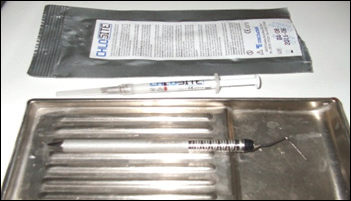
Figure 1: The case of chlorhexidine gel (hlositot) GIMAS, Applications

Figure 2: Injection of chlorhexidine gel
Patients of the tested group, were tested for 30 days and 180 days after treatment with patients who were treated with the usual conventional therapeutic procedure and patients with chlorhexidine gel, rating the determination by periodontal indices.
RESULTS
Table 1 shows the distribution of the marginal areas of the periodontal lesions (after 30 day, 180 day after following) in patients treated with the conventional method-standard method as well as patients treated with the combined method a conventional-standard method and the application of a gel antiseptic agent.
For F = 72.43 and p <0.001 (p = 0.000) there is a significant difference in the distribution, shown in (Table 1).
Table 1 shows the univariate results regarding the period of periodontal pocket in the 30-day control period.
For F = 2.43 and p> 0.05 (p = 0.13) there is no significant difference between the two groups in the period of the periodontal pocket in the 30-day control period.

Table 2 shows the univariate results in relation to the period of the periodontal pocket at the 180-day control period.
For F = 20.66 and p <0.001 (p = 0.0001) there is a significant difference between the two groups in the period of periodontal pocket at 180 days.

Table 3 shows the results of the Post-hoc Test / Bonferron test, for patients treated with the conventional method-standard method, as well as for patients treated with the combined method conventional-standard method and application of gel antiseptic preparation (supplements), in relationship to periodontal pocket at reception , control for 30 days, control for 180 days.
There is no significant difference (p> 0.05) between the two groups of patients in the period of the periodontal abscesses at reception.
Patients treated with gel (standard method / gel) at 30th day control, for p <0.001 (p = 0.0005), significantly decreased the average depth of periodontal pocket (4.40 mm) from the reception period (4.66).
Patients treated with a gel (standard method / gel) for a period of 180 days for p <0.001 (p = 0.000), have significantly lower peripheral depths (3.95 mm) than deep degree at reception (4.66).
Patients treated with a gel (standard method / gel) for the period of 180 days follow-up, for p <0.001 (p = 0.000), have significantly lower peripheral depths (3.95 mm) than large number of controls for the 30th day (4.40).
Patients treated with a gel (standard method / gel) for a period of 180-day follow-up, for p <0.01 (p = 0.006), had significantly lower average peripheral x-ray depth (3.95 mm) , in relation to the depth of periodontal pockets (4.66) in patients treated with the standard method.
Patients treated with a gel (standard method / gel) for a period of 180 days, for p <0.01 (p = 0.005), have significantly smaller average lesions on periodontal pocket (3.95 mm) , in relation to the depth of periodontal pocket on the 30th day (4,67) control in patients treated with the standard method.

DISCUSSION
Considering the fact that the infectious character of the etiological factor of chronic periodontal disease is definitely proven, the continuous identification of new periopathogenic bacterial species and the verification of pathogenetic mechanisms; the involvement of endotoxin, bactericidal and tissue enzymes, inflammatory factors, the conventional non-surgical treatment of chronic periodontitis today has and should have certain modifications.
The CIST protocol or otherwise defined, the modification of the conventional paradonal method (basal) as a therapeutic procedure involves antimicrobial supplements or contemporary antiseptic agents in the form of a gel, especially in cases where the depth of the periodontal pockets is from three to five millimeters.
In the last 20 years, there are more native antimicrobial agents and antiseptics, more diverse in composition and shape.
Using CHLO-SITE, an effective pocket concentrate is created with chlorhexadin in at least 15 days.
The results obtained after the examinations performed showed significant differences between the two tested groups, namely between conventional (standard) and combined (modified) method.
The presence of periodontal pockets in periodontal disease is the main clinical sign that periodontal disease differs from gingivitis inflammation as an autonomic disease.
The subgingival instrumentation, the treatment of the periodontal pocket , purpose to eliminate the gingival inflammation and preventing the progressive destruction of the overpressure device by removing the dental plaque and the remaining pathological substrate in the periodontal pocket. However, it is very important to note that the only mechanical processing is impossible to remove the subgingival dental plaque, regardless of the plasma microorganisms, as the primary etiological factor of periodontal disease and the cause of its progression. (Rabani and sorab. (1981); Magnusson I sorab. (1984); Sherman I sor. (1990);)(24).
In our examinations after the period of periodontal lesion measurements, after performed clinical rating (assessment) , no significant difference was observed between the two groups of patients in the periodontal pocket period at the time of the patient's examinations; There is no significant difference between the two groups of patients in the periodontal pocket period in the period of 30 days;
However, there was a significant difference between the two groups of patients in the period of the periodontal lesions at the 180-day control period; In gel-treated patients (standard method / gel) in the 30 day period of periodontal pocket was 4.40 mm, after 180 days control of 3.95 mm and have a significantly lower average peripheral x-ray length of adhesion (4.66);
Patients were treated with a gel (standard method / gel) in control after 180 days, have a significantly lower average peripheral x-ray depth(3.95 mm.) From the depth at 30th day (4.40mm).Patients were treated with a gel (standard method / gel) in control after the 180s day, have a significantly lower average depth of periodontal pocket (3.95 mm), in relation to the depth of the periodontal pocket at the 30th day(4.67) what patients were treated with the standard method.
The obtained results are in accordance with the results obtained from the study The Evaluation of Topical Application of CHLO-SITE (Chlorhexidine gel) and Management of Chronic Periodontitis by authors: Hossam Abdel Atty Eid; Usama M. Gouda and Mohammed M. Al-Abdaly - Both treatment modality led to a very statistically significant reduction in microbiological counts as well as applied clinical parameters (P <0.001). No clinical relevant side effects were observed(53).
CONCLUSION
• Patients treated with a gel (standard method / gel) after 180 day , have significantly lower average peripheral pocket (3.95 mm) in relation to the depth of the periodontal pocket at the 30th day (4,67) daily control of the patients treated with the standard method;
LITERATURE
- American Academy of Periodontology, Proceedings of the International Workshop for the classi®cation of periodontal diseases, Ann.Periodontol. (2000) in press.
- . Abrishami M. Bahram Iramloo, Ghassem Ansari, Gita Eslami, Alireza Akbarzadeh Bagheban, Mahdi Anaraki; The effect of locally delivered xanthan based CHLOSITE gel with scaling and root planning in the treatment of chronic periodontitis : microbial findings J Dent Research (2008); 5(2); 47-52.
- . A.D. Haffajee, S.S. Socransky, Microbial etiological agents of destructive periodontal disease, Periodontology 2000 (1994) 78±82.
- Andrea Mombelli, Topical and systemic antibiotics in the management of periodontal diseases; vol. 54, no1, (2004); str. 3-14
- . A.J. Van Winkelhoff, E.G. Winkel, Periodontal infections and treatment, J. Parodontol. Implant. Orale 15 (1996) 219±232.
- A. Mombelli, A.J. Van Winkelhoff, The systemic use of antibiotics in periodontal therapy, in: N.P. Lang, T. Karring, J. Lindhe (Eds.),
- A.A. Jones, K.S. Kornman, D.A. Newbold, M.A. Manwell, Clinical and microbiological effects of controlled release locally delivered minocycline in periodontitis, J. Periodontol. 65 (1994) 1058±1066.
- Ayala Stabholz1, Michael N. Sela2, Michael Friedman3, Gershon Golomb 3, Aubrey Soskolne1, Article first published online: 14 DEC 2005 Journal of Clinical Periodontology. DOI: 10.1111/j.1600-051X.1986.tb00882.x
- Benedettis M and Grassi R, Clinical and microbiologic effects of subgingival controlled-release delivery of chlorhexidine chip in the treatment of periodontitis: a multicenter study. J Periodontol. 2008 Feb;79(2):271-82
- . Beshir Ljushkovic, Paradontologija I Oralna Medicina (2009) str. 149-152;
- Brian S. Gurinsky, Concepts in periodontology, (2009), str. 2-3;
- Bromberg LE, Buxton DK, Friden PM. Novel periodontal drug delivery system for treatment of periodontitis. J Control Release. 2001 Apr 28;71(3):251-9.
- ] C.M. Bollen, M. Quirynen, Microbiological response to mechanical treatment in combination with adjunctive therapy. A review of the literature, J. Periodontol. 67 (1996) 1143±1158.
- Chandra Chetan , Effect of chlosite (xanthan gel with chlorhexidine) on clinical & microbiological parameters in smokers - A case series Year : (2010), Volume : 4, Issue : 2
- Da Daneshmand N, Jorgensen MG, Nowzari H, et al. Initial effect of controlled release chlorhexidine on subgingival microorganisms. J Periodontal Res 2002.
- Dragoljub Djaic, Bolesti usta I Paradontologija, (2006), str. 215-220;
- D.W. Paquette, G.S. Waters, V.L. Stefanidou, H.P. Lawrence, P.M. Friden, S.M. O'Connor, J.D. Sperati, F.G. Oppenheim, L.H. Hutchens, R.C. Williams, Inhibition of experimental gingivitis in beagle dogs with topical salivary histatins, J. Clin. Periodontol. 24 (1997)216±222.
- . Greenstein G. Polson A. The role of local drug delivery in the management of periodontal diseases: a comprehensive review. Department of Periodontology, University of Medicine and Dentistry, Newark, NJ, USA. J Periodontol. 1998 May;69(5):507-20.
- . Haffajee AD, Socransky SS, Patel MR, Song, Microbial complexes in supragingival plaque. Oral Microbiol. Immunol. 23(3): (2008), str. 196-205;
- I Darby; Australian Dental Journal Volume 54 Issue s1, (2009); str. S86 - S95;
- . D.S. Jones, A.D. Woolfson, A.F. Brown, M.J. O'Neill, Mucoadhe-98 K. Schwach-Abdellaoui et al. / European Journal of Pharmaceutics and Biopharmaceutics 50 (2000) 83±99 sive, yringeable drug delivery systems for controlled application of metronidazole to the periodontal pocket: in vitro release kinetics, syringeability, mechanical and mucoadhesive properties, J. Control.Release 49 (1997) 71±79.
- Ikinci Senel S, G, Kas G, Yousefi-Rad A, Sargon MF, Hıncal AA. Chitosan films and hydrogels of chlorhexidine gluconate for oral mucosal Delivery. Int J Pharm 2000;193:197–203.
- Jan Cosyn and Iris Wyn. Journal of Periodontology. Department of Periodontology, School of Dental Medicine, Free University of Brussels (VUB), Brussels, Belgium.February 2006, Vol. 77, No. 2, Pages 257-264 , DOI 10.1902/jop.2006.050216 (doi:10.1902/jop.2006.050216)
- Jan Lindhe Clinical Paradontology and Implant Dentistry, (2004), str.110-128; 476;
- K.S. Kornman, Controlled release local delivery antimicrobials in periodontics. Prospects for the future, J. Periodontol. 64 (1993) 782±791.
- K. Schwach-Abdellaoui et al. / European Journal of Pharmaceutics and Biopharmaceutics 50(2000) 83±99
- . K. Hayashi, K. Takada, M. Hirasawa, Clinical and microbiological effects of controlle release local delivery of minocycline on periodontitis in dogs, Am. J. Vet. Res. 59 (1998) 464±467.
- Llozkai G. (Karaduman. B.) Clinical and radiographic evaluations of chitosan gel in periodontal intraosseous defects: A pilot study Article first published online: (14 JAN 2009) DOI: 10.1002/jbm.b.31307.
- M. Stelzel, D.J. FloreÁs, Topical metronidazole application compared with subgingival scaling. A clinical and microbiological study on recall patients, J. Clin. Periodontol. 23 (1996) 24±29.
- M. Addy, P. Renton-Harper, Local and systemic chemotherapy in the management of periodontal disease: an opinion and review of the concept, J. Oral Rehab. 23 (1996) 219±231.
- J.P. Fiorellini, D.W. Paquette, The potential role of controlled release delivery systems for chemotherapeutic agents in periodontics, J. Periodontol. 66 (1992) 870±877.
- G. Gof®n, Ef®cacy of a sustained local delivery of chlorhexidine Periochip as an adjunct to scaling and root planing in the treatment of chronic periodontal disease, Int. Dent. Rev.(1998) 1±18.
- P. Bonesvoll, P. LoÈkken, G. RoÈlla, P.N. Paus, Retention of chlorhexidine in the human oral cavity after mouth rinses, Arch. Oral Biol. 19(1974) 209±212.
- Stabholz A, M.N. Sela, M. Friedman, G. Golomb, A. Solskolne, Clinical and microbiological effects of sustained release chlorhexidine in periodontal pockets, J. Clin. Periodontol. 13(1986) 783±788.
- Newman MG. Socransky SS. Predominant Cultivable Microbiota in Periodontitis. J periodontal Res. 12 (1977) str. 120-127;
- . M.A. GracËa, T.L.P. Watts, R.F. Wilson, R.M. Palmer, A randomized controlled trial of a 2%minocycline gel as an adjunct to non-surgical periodontal treatment, using a design withmultiple matching criteria, J. Clin. Periodontol. 24 (1997) 249±253.
- M. Radvar, N. Pourtaghi, D.F. Kinane, Comparison of 3 periodontal local antibiotic therapies in persistent periodontal pockets, J. Periodontol. 67 (1996) 860±865.
- Oral Mikrobiology at a Glance, Richard J. Lamond and Howard F, Jenkinson (2010) godina
- . Periodontal Disease: The Effectiveness of new Technique May (1982);
- Peter Galgut Periodontal diseases. ( 2009 ) str. 26-28.
- Sbordone L, Bortolaia C. Oral Microbial Biofilms and Plaque-Related Diseases:Clin Oral Research 7: (2003) str.181-188;
- Soskolne Wa et al. Sustained Local Delivery of Chlorhexidine in the Treatment
- Synthesis and physicochemical analysis of gelatin-based hydrogels for drug carrier matricesNicole J Einerson, Kelly R Stevens, Weiyuan John Kao (2009) of Periodontitis. A ulticenter Study. J Peridontol, 68 (1997); str. 32-38;
- Tanner AC, Haffer C, Socransky SS. A Study of the Bacteria Associated with AdvancingPeriodontitis in Man. J Perio Clindontol 6; (1979); str. 278-307
- U. Noyan, S. Yilmaz, B. Kuru, T. Kadir, O. Acar, E. Buget, A clinical and microbiological evaluation of systemic and local metronidazole delivery in adult periodontitis patients, J. Clin Periodontol.24 (1997) 158±165.V. Pedrazzoli, M. Kilian, T. Karring, Comparative clinical And microbiological effects of topical subgingival application of metronidazole 25% dental gel and scaling in the treatment of adult periodontitis, Clin. Periodontol. 19 (1992) 715±722.
- Wilfred Aubrey Soskolne Citation Information Modified-Release Drug Delivery Technology Edited by Michael J . Rathbone , Jonathan Hadgraft , and Michael S . Roberts Informa ealthcare 2002. Pages 399–400.
- William J. Killoy - Assessing the effectiveness of locally delivered chlorhexidine in the treatment of periodontitis - JADA - Vol 130- April 1999 - 567 - 570.
- W.E.C. Moore, L.V.H. Moore, The bacteria of periodontal diseases, Periodontology 2000 (1994) 66±77.
- T. Lie, G. Bruun, O.E. BoÈe, Effects of topical metronidazole and tetracycline in treatment of adult periodontitis, J. Periodontol. 69 (1998) 819±827 50. W. Becker, L.E. Berg, B.E. Becker, The long term evaluation of periodontal treatment andmaintenance in 95 patients, Int. J. Periodontics Restorative Dent. 4 (1984) 54±71.
- W.J. Loesche, J. Giordano, S. Soehren, R. Hutchinson, C.F. Rau, L.Walsh, A. Schork, A. Arbor, D. Mich, Nonsurgical treatment of patients with periodontal disease, Oral Surg. Oral Med. Oral Pathol. Endod. 81 (1996) 533±543.
- The Effect of Locally Delivered Xanthan-Based CHLO-SITE Gel with Scaling and Root Planning in the Treatment of Chronic Periodontitis: Microbial Findings од авторите: Mohmmadreza Abrishami, Bahram Iramloo, Ghassem Ansari, Gita Eslami, Alireza Akbarzadeh Bagheban, Mahdi Anaraki - Dent Res J 2008; 5(2):47-52
- The evaluation of Topical Application of CHLO-SITE (Chlorhexidine gel) in Management of Chronic Periodontitis од авторите: Hossam Abdel Atty Eid; Usama M. Gouda and Mohammed M. Al-Abdaly, ED Journal Volume (56), Number (2.3), Apr 2010.
- T. Lie, G. Bruun, O.E. BoÈe, Effects of topical metronidazole and tetracycline in treatment of adult periodontitis, J. Periodontol. 69 (1998) 819±827. ]55. T. Nakagawa, S. Yamada, Y.Oosuka, A. Saito, Y. Hosaka, T. Ishikawa, K. Okuda, Clinical and microbiological study of local minocycline delivery (PERIOCLINER) following scaling and root planing in recurrent periodontal pockets, Bull. Tokyo Dent. Coll.32 (1991) 63±70.
Disclaimer from Guident
The views and opinions expressed in articles published in Guident are solely those of the authors and do not necessarily reflect the views of the editors, the editorial board or the publisher, Ivory India. Guident does not endorse any product, technique or treatment described. Clinical content is intended for qualified dental and medical professionals and is not a substitute for individual clinical judgement. Guident, its editors and the publisher accept no liability for any consequence arising from the use of information published in the journal.
How to cite this article
Dr. Sahmedin Sali. Therapeutic Efficacy of Chlorhexidine-Gelon the Depth of the Periodontal Pocket in Chronic Periodontal Disease. Guident. 2018 Dec;12(1). Available from: https://ivoryindia.in/articles/research/therapeutic-efficacy-of-chlorhexidine-gelon-the-depth-of-the-periodontal-pocket-in-chronic-periodontal-disease.html