Geriatric Nutrition and Care- an Overview
Department of Oral Medicine And Radiology, K.D Dental College And Hospital, Mathura India
ABSTRACT
Over the next four decades, India's older population will increase dramatically. As the age advances, there is a corresponding decline in the nutritional status concluded by the 2012 study at Allahabad. The mean nutrient intake of malnourished elderly is less than the RDA and that of the well-nourished elderly. Per capita income and self-view of educational status are strongly associated factors contributing to the nutritional status of the elderly. Per capita income and self-view of educational status are strongly associated factors contributing to the nutritional status of the elderly. Out of the total of 360 elderly persons, 15% were found to be malnourished and 55% were at risk of malnutrition. There is thus an urgent need to review current recommended daily nutrient allowances for this group. Awareness, education and training are the need of the hour with some precautions. Therefore, the elderly need nutrient-rich foods rich in calcium, micronutrients and fibre. Apart from cereals and pulses, they need daily at least 200-300ml of milk and milk products and 400g of vegetables and fruits to provide fibre, micro-nutrients and antioxidants. The inclusion of these items in the diet improves the quality of the diet and bowel function. Flesh foods and eggs add to the quality of diet. The present focus is on the phytochemicals of nutraceutical importance for the geriatric population. Apart from the isolated extracts of plant chemicals as nutrition, a wide range of botanical ingredients are used as a geriatric supplement to maintain a healthy lifestyle.
INTRODUCTION
There are three critical as well as important aspects concerning chronic diseases in the late stage of the life-cycle:
- Most chronic diseases will be manifested in this later stage of life;
- There is an absolute benefit for ageing individuals and populations in changing risk factors and adopting health-promoting behaviours' such as exercise and healthy diets; and
- The need to maximize health by avoiding or delaying preventable disability.
Along with the disease and communal transformation, a major demographic shift has been seen. Although elderly people are currently defined as those above and aged 60 years, this definition of older people has a very different meaning from the middle of the last century, when 60 years of age and above often exceeded the average life expectancy, especially in industrialized countries. It is worth remembering, however, that the majority of elderly people will, in fact, be living in the developing world.
FACTORS INFLUENCING NUTRITIONAL STATUS
Many reasons exist why some of the elderly have a nutritional problems. These include:-
- Personal habits. There appear to be many reasons why elderly individuals may impose upon themselves certain dietary restrictions. Unfortunately, such restrictions can compromise nutritional status and ultimately place the individual at health risk.
- Economic limitations. Limited financial resources strongly influence food choices.
- Sociological factors. Living alone has a negative impact on food choices because of both the difficulty of getting out to shop and a decreased interest in fixing meals.
- Physical limitations. These limitations make it difficult to prepare meals. They may also limit a person's ability to chew and enjoy foods.
- Medications. The elderly are likely to be taking several medications on a long term basis. These may influence the patient's nutritional needs.
- Lack of knowledge. Many of the elderly are not aware that good nutrition can still enhance their quality of life. Others lack knowledge of nutritional needs or do not know how to apply this information.
- A "too late now" attitude. Some elderly feel that it is too late to change to a more nutritious diet, but this is not true. Improved nutrition can be helpful throughout life.
RECOMMENDED DIETARY ALLOWANCES (RDA)
Recommended dietary allowances for the elderly currently are based on extrapolations from the nutrient and calorie needs of adults up to the age of 50.RDA includes two age groupings for energy allowance- persons aged 51 to 75 and those aged 76 or older. But the RDA for vitamins and minerals includes one age grouping- those aged 51 and older.
PROTEIN REQUIREMENTS
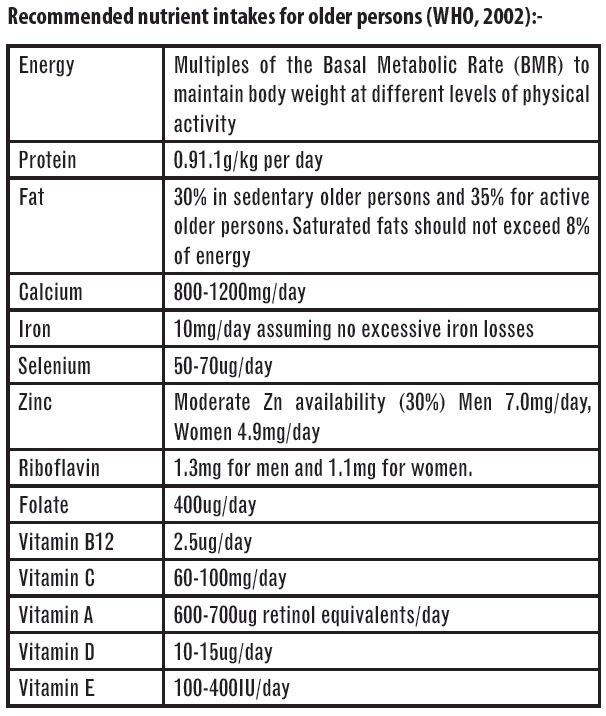
The RDA for protein for persons aged 51 and over is 0.8 g protein/kg body weight per day. However, because of the general decline in energy intake as age increases, the recommendation is that the elderly should satisfy 12% or more of their energy intake with protein-rich foods.
FOOD SOURCES OF PROTEIN
It may be observed that pulses, whole and split, nuts and oilseeds, milk, eggs, fish, poultry and meat are good sources of protein in the diet. Cereals and their products are a major source of protein in the Indian diet.
Cereals and pulses, when cooked in water, supply only one-third or less of the protein present in the raw foods, as these foods absorb at least two times their weight of water. There is no increase in the weight of milk, eggs, meat and fish during cooking. Therefore, there is likely to be very little decrease in the amount of protein supplied by these foods when cooked.
Another aspect of evaluating the foods as sources of protein is the quantity of food that is normally consumed and the frequency of the use of the food. In India, cereals are consumed in large quantities and are included in almost all meals. Therefore, these contribute a large part of the day's need for protein in the Indian diet. Secondly, pulses are included in most of the meals, along with the cereals, which results in a high-quality protein in the diet. Proteins from leafy vegetables are an excellent supplement to the cereal diet.
Milk is one animal food, which is accepted and included in menus for a feast as well as fast. The quantity of milk included depends on the availability and cost. Thus cereals, pulses, milk and milk products contribute most of the protein in the Indian diet.
Dry, salted or smoked fish and meat are inexpensive concentrated sources of protein. These contribute valuable protein to the diet of people from coastal regions.
Eggs are included in one meal of the day by those who accept them. Normally fish, meat and/or poultry are included one or two times a week. Please remember that the importance of any food as a source of protein depends on how often and how much of it is consumed.
It may be observed that the concentration of protein in most vegetables and fruits is small. Therefore, these may not be counted to supply more than 10 per cent of the day's intake. Though the quantity supplied may be small, these proteins do enhance the quality of protein in the diet.
MINERAL REQUIREMENTS
According to the 1980 edition of recommended dietary allowances, 800mg/day of calcium for adults 51 years of age and older is advisable. Based on newer knowledge, it is recommended especially that postmenopausal women have a calcium intake of 1000 to 1500 mg/day for them to enjoy the benefits of good skeletal strength. The intake of 1000 to 1500 mg/day is thought to be more desirable for preventing osteoporosis, currently a major cause of hip and other bone fractures in American women 65 years of age and older.
Food Sources of calcium
The best source of calcium is milk. The milk of cows, buffaloes and goats is rich in calcium. The calcium in milk is accompanied by a favourable proportion of phosphorus, hence, it is very well utilized in the body. Milk products such as curd, paneer, mava, SMP, are good sources of calcium.
The millet ragi and seasame seeds (til) have a high concentration of calcium. Green leafy vegetables are a good source of calcium, though only a part of the calcium from these is available to the body.
Fresh as well as dried fish, especially small fresh fish, if the bones are also eaten, provide substantial quantities of calcium in the diet. Besides these, some spices such as cumin seeds (jeera), coriander seeds (dhaniya), contain enough calcium to contribute.
Osteoporosis is a metabolic bone disease that is believed to result from combined deficiencies of dietary calcium and estrogen that are the major causes of
- Decreased bone mass
- Spontaneous bone fracture
- Subsequent disabilities.
The nutritional factors that contribute to osteoporosis are
- Insufficient intake of calcium-rich foods
- Increased urinary excretion of calcium
- The decreased blood level of 1,25- dihydroxycholecalciferol (vitamin D)
Vitamin D is necessary for the promotion and regulation of the intestinal absorption of phosphorus and calcium. Although the requirement of the elderly for vitamin D is not precisely known, it is probably greater than that for young adults.
The low dietary intake of calcium-rich foods –hard cheese, milk, and dark green leafy vegetables, such as mustard and turnip greens, collards, and kale- is one of the several factors that can contribute significantly to a greater than usual loss of the alveolar body ridge in edentulous patients aged 50 or older who elect to have immediate full upper or lower dentures or both.
It is advisable for a dentist who plans to insert a full upper or lower denture or both to prescribe a diet rich in calcium plus supplemental calcium carbonate tablets to be taken daily for 4 weeks or more before the removal of the remaining teeth and the insertion of the dentures. Pre-surgical calcium build-up may slow the rate of loss of alveolar ridge height, possibly contributing significantly to stabilizing the prosthesis and making the patient more comfortable and tolerant of it.
Intestinal absorption decreases with advancing age (after the age of 65 years) because of that there are declines in zinc utilization. Thus it is conceivable that some of the clinical Findings of decreased taste acuity, mental lethargy, and slow wound healing may be the results of a zinc deficiency.
VITAMIN REQUIREMENTS
Elderly persons usually ingest foods rich in vitamin A sparingly; thus the intake is substantially below the RDA for vitamin A. despite this, hypervitaminosis A may be more of a problem than a vitamin A deficiency because of an increase in vitamin A absorption and excessive use of multivitamin tablet supplements by the elderly.
The elderly are frequently deficient in Vitamin D. Vitamin E deficiency in the elderly does not seem to be a problem. Vitamin C intake generally declines with age. Vitamin B complex deficiencies are seen mainly in alcoholics because they do not eat enough bread or cereals.
Food Sources
Vitamin A is present in animal foods only. The liver is the richest source of vitamin A. Other sources include butter, ghee, milk, curds and egg yolk. Refined oils and vanaspati are good sources of vitamin A if these are fortified with vitamin A.
Irradiation of the skin with sunlight is the main source of vitamin D. The mid-day sun is rich in ultra-violet light and helps in synthesizing this vitamin. Foods are not a good source of vitamin D. It is found in small quantities in liver, egg yolk, milk and milk fat (butter and ghee), obtained from animals fed on pastures exposed to sunlight. The richest source known is fish liver oils, such as halibut, cod, shark and sawfish. Fish liver oils do not form part of the diet and have to be taken as a supplement.
The richest sources of vitamin E are vegetable oils. Vegetable oils are also the richest sources of polyunsaturated fatty acids, which vitamin E protects. This is nature's unique arrangement to package the two together. Other food sources include cereals, leafy vegetables, milk, eggs, muscle meats and fish.
Amla (nellikai, also called Indian gooseberry) is one of the richest sources of ascorbic acid, which contains 600 mg/100 g of the fruit. Guavas and cashew apples contain 200 to 300 mg/ 100 g. Citrus fruits such as oranges, sweet lime, grapefruit and pomelo are also excellent sources of ascorbic acid. Drumsticks also have high ascorbic acid content. Leafy vegetables such as drumstick leaves, amaranth, cabbage, which are more frequently available, are excellent sources of vitamin C.Sprouted pulses such as Bengal gram and green gram are good sources and have proved to be of value during drought and famine conditions when other sources of ascorbic acid, such as fresh fruits and vegetables are not available.
NUTRITIONALLY RELATED ORAL PROBLEMS IN ELDERLY PATIENTS
One of the major functions of nutritional fitness is to prevent or slow down the onset of those degenerative and disease conditions associated with ageing that occur in the mouth, such as loss of taste, xerostomia, burning and sore tongue, oral mucous membrane disease, temporomandibular joint discomfort, periodontal disease, and osteoporosis of the alveolar bone.
ALTERATION IN GUSTATION AND OLFACTION
In the process of ageing, taste perception diminishes- the perception for salt at an early age and for sweet a little later- in part as a result of hyperkeratinization of the epithelium that may clog the taste bud ducts. Vitamin A inadequacy may be associated with such epithelial hyperkeratinisation. On the other hand, the receptors for the bitter taste in the circumvallates papillae of the tongue seem to survive the ageing process. If there are no systemic contraindications, increased use of condiments such as pepper usually provides more flavours to food. Certainly, the palatability of food will be improved if its aroma is pleasant and if it has the proper texture and temperature.
Oral hygiene practices should be checked because the presence of unpleasant tastes may be due to the discharge of crevicular fluid from the gingival when chewing.
PAINFUL, BURNING TONGUE
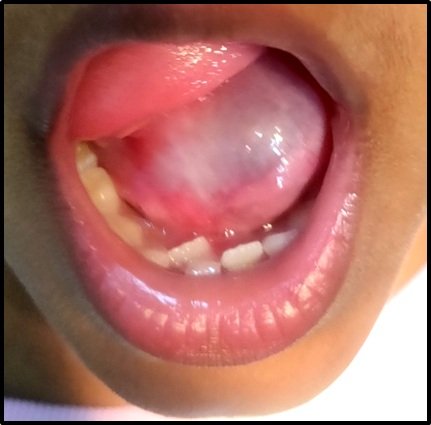
Vitamin B12 deficiency, seen with increased frequency in older people, particularly in women, is characterized by a triad of symptoms, generalized weakness, a sore, painful tongue, and numbness or tingling of the extremities. In some cases, the tongue symptoms are the first sign of pernicious anaemia. The tongue is generally described as dark red, rather than the normal pink, either in its entirety or in patches scattered over the dorsum and lateral borders. On occasion, the oral mucosa exhibits a pale yellow tinge similar to that noted on the skin. In anaemic patients, the oral mucosa becomes sensitive and intolerant to dentures. The major treatment of pernicious anaemia consists of intramuscular administration of vitamin B12.
Elderly patients who live on a tea-and-toast diet are prime candidates for iron deficiency anaemia. The oral manifestation of iron deficiency anaemia is glossitis and fissures at the corners of the mouth. The papillae of the tongue are atrophied, giving the tongue a smooth, shiny red appearance. Nutritional management consists of ingesting iron-rich or enriched foods, such as liver, eggs and cereals as well as iron supplements.
NUTRITIONAL APPROACHES TO OSTEOPOROSIS
Increasing intake of calcium from an average of about 900 mg/d to 1600 mg/d enhanced the rate of increase in bone density during growth demonstrated by a randomized, controlled trial in children. Several placebo-controlled studies in older adults of calcium and vitamin D supplements showed that higher intakes of these nutrients slow the rate of bone mineral loss and reduce the risk of fracture. The normal dietary intakes of calcium and vitamin D among subjects in these studies generally were below 800 mg and 200 IU/d, respectively, and the content of the supplements ranged from 500 to 1200 mg of calcium and 200 to 800 IU of vitamin D. Osteoporosis-like changes in the oral bone of animals can be prevented by a diet containing an adequate amount of calcium, but clinical signs of periodontal disease are not affected. A 1-yr controlled trial of calcium supplementation in humans did not find a difference in periodontal disease indices between the calcium and placebo groups, but a longer follow-up time may be needed to observe an effect.
GUIDELINES FOR EATING WITH COMPLETE DENTURES
GETTING STARTED
- Begin with soft foods such as well-cooked cereals, boiled eggs, and very tender or ground meats and gradually add firmer foods to the diet.
- Chew small pieces of hard foods, for ex: - guava, with the back teeth.
- Divide food between both sides of the mouth and avoid chewing on only one side at a time.
- Avoid holding liquids and beverages in the mouth before swallowing because this may loosen a lower denture.
- Eat easy-to-bite foods, such as sandwiches, by applying pressure against the back of the front teeth as the mouth slowly closes.
- Avoid sticky (peanut butter) or hard-to-chew (hard salami) sandwiches.
FOOD CHOICES
- Choose a variety of foods to provide an adequately balanced diet.
- Carefully select leafy vegetables, such as lettuce, as they may adhere to the polished denture surface.
- Replace fibrous or hard-to-chew meats with ground meats, poultry, fish, eggs, beans, or legumes.
- Cream, stew, or roast tender cuts of meat.
- Replace sticky foods with chewable high-fibre foods that will increase saliva and oral clearance.
- Eat doughy foods, such as bread, with liquids to decrease their tendency to stick to dentures, or toast bread when possible.
- Choose steamed or canned vegetables and chopped or shredded raw vegetables and fruit.
Dietary Guidelines for Biting or Chewing Difficulties Associated With Dental Procedures
EATING FRUITS AND VEGETABLES
- Turn fruits and vegetables into chopped salads. Fruit salad in bite-size pieces made from fresh cut-up fruit. Chopped greens, tomatoes, cucumbers. Corn salsa (takes fresh corn off the cob and mix with salsa).
- Choose either very soft bread or crackers or very crisp ones (limit those that are "chewy" such as bagels, soft rolls, bread crusts).
- If raw vegetables are tough to chew even chopped, steam or stir fry for 5 min and then chop and chill for a salad.
- Pasta salads (pasta mixed with chopped vegetables or beans and chilled).
SNACKS FOODS THAT ARE EASY TO EAT
- Bite-size tortilla chips are broken in half.
- Bite-size rice cakes.
- Fruit smoothies: frozen fresh fruit and yoghurt or milk in the blender (high in calcium also).
- Frozen berries or grapes (great to suck on).
- Flour tortilla pizza strips (flour tortillas with a layer of salsa and cheese, microwave for 1 min, and then cut in strips.
DRINKING LIQUIDS
• Drink at least 8 cups of liquid (= amount of water) daily.
ADEQUATE FIBRE
Dietary fibre intake may decrease; using these tips for eating chopped and cut food will help maintain fibre intake.
If needed or desired, try 1/2 to 1 cup of bran cereal daily and include high-fibre foods such as corn, blueberries, and cooked dried beans.
ACKNOWLEDGEMENT
We would like to acknowledge the important contribution of Dr. Gopa Kumar R Nair, Dr. Vinay Mohan, Dr. Ngurang Anam & Dr. Binish Khan in the making of this review article.
REFERENCES
- Kiradi P. Geriatric Nutrition: A Bird Eye View. Indian J Nutri. 2017; 4(3): 164.
- Vitamin and mineral requirements in human nutrition: report of a joint FAO/WHO expert consultation, Bangkok, Thailand, 21–30 September 1998.
- Ann ehrlich; Nutrition and dental health. (second edition)
- Riva Touger-Decker et al; Nutrition And Oral Medicine.
- Abraham E. Nizel et al; Nutrition in clinical dentistry.(third edition)
- S.R. Mudambi ; Fundamentals of foods, nutrition and diet therapy.
- Food, nutrition and health. Home science. Module 2
- Sudeshni Naidoo (2012). Oral Health and Nutrition, Oral Health Care - Prosthodontics, Periodontology, Biology, Research and Systemic Conditions, Prof. Mandeep Virdi (Ed.), ISBN: 978-953-51-0040-9.
- Riva Touger-Decker et al; Position of the Academy of Nutrition and Dietetics: Oral Health and Nutrition. JOURNAL OF THE ACADEMY OF NUTRITION AND DIETETICS; May 2013 Volume 113 Number 5.
Disclaimer from Guident
The views and opinions expressed in articles published in Guident are solely those of the authors and do not necessarily reflect the views of the editors, the editorial board or the publisher, Ivory India. Guident does not endorse any product, technique or treatment described. Clinical content is intended for qualified dental and medical professionals and is not a substitute for individual clinical judgement. Guident, its editors and the publisher accept no liability for any consequence arising from the use of information published in the journal.
How to cite this article
Dr. Niharika Kumari, Dr. Anuj Gaur, Dr. Kalpan Poudel. Geriatric Nutrition and Care- an Overview. Guident. 2021 Jul;14(8). Available from: https://ivoryindia.in/articles/oral-medicine/geriatric-nutrition-and-care-an-overview.html